
Introduction: The Man Who Changed a Nation
In a world often engulfed by chaos and conflict, the simple yet profound teachings of a man from Gujarat resonate across the globe. Mahatma Gandhi, revered as the Father of the Nation in India, wasn’t just a leader; he was a visionary who championed the power of non-violence, a principle that has inspired countless movements for civil rights and freedom across the world. Have you ever wondered how one man’s commitment to peace and truth could dismantle an empire? This article delves into the life, philosophy, and enduring legacy of Mahatma Gandhi, exploring how his approach to non-violence is more pertinent now than ever.
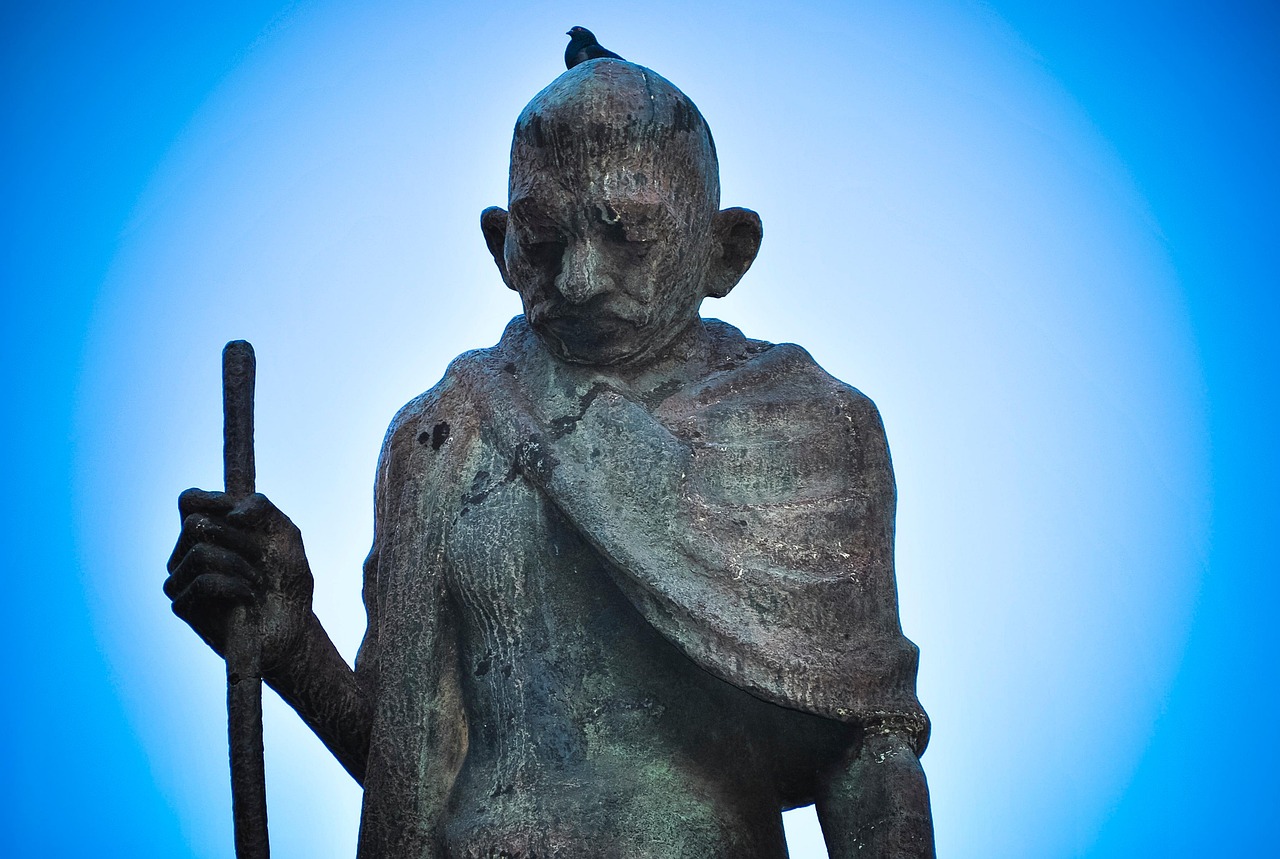
The Early Life of Mohandas Karamchand Gandhi
Mahatma Gandhi, born Mohandas Karamchand Gandhi on October 2, 1869, in Porbandar, India, was raised in a Hindu merchant caste family. His early influences included his mother, who was deeply religious, and his father, who was a local political figure. These familial roots instilled in him a sense of duty and ethics rooted in the ancient teachings of Indian culture.
Education and Transformation
At age 18, Gandhi traveled to London to study law. This experience exposed him to Western ideologies and philosophies, yet it was his encounters with the inequities faced by Indians abroad that would shape his worldview. In London, he grappled with issues of identity, race, and the struggle for justice, which would later influence his methods in India.
The Birth of Satyagraha: A New Philosophy
Upon returning to India, Gandhi initially worked as a lawyer but quickly recognized the oppressive conditions faced by his fellow countrymen. His experiences in South Africa, where he faced discrimination as an Indian, led him to formulate the concept of ‘Satyagraha’—a term he coined from Sanskrit, meaning “truth force” or “soul force.” This philosophical foundation became the bedrock of his non-violent resistance.
Key Principles of Satyagraha
- Truth: The unwavering commitment to truth is essential.
- Non-violence: Violence breeds more violence; hence, non-violent action is crucial.
- Self-Suffering: Willingness to suffer for the cause convinces others of the justness of the cause.
- Unity: The movement must unite people regardless of caste, creed, or community.
Leading the Charge: Key Movements and Campaigns
Gandhi’s philosophy found expression in various campaigns against colonial rule. Let’s explore some pivotal moments in his journey:
The Salt March: A Defining Moment
In 1930, Gandhi led the Salt March, a 240-mile march to the Arabian Sea to produce salt, defying British laws that imposed a tax on salt. This act of civil disobedience galvanized the Indian populace and drew international attention to the Indian independence movement.
The Quit India Movement
In 1942, Gandhi launched the Quit India Movement, demanding an end to British rule in India. His call for immediate independence resonated with millions, solidifying his status as a national leader. The British responded with force, arresting thousands, including Gandhi himself.
Gandhi’s Philosophy in Practice: Non-Violence as a Strategy
Gandhi’s methods were not just a reaction against colonialism; they were rooted in profound ethical considerations.
Case Study: The Impact of Non-Violence
Gandhi’s approach has influenced numerous global leaders, including Martin Luther King Jr. and Nelson Mandela. For example, King adopted Gandhi’s principles during the American Civil Rights Movement, emphasizing non-violent protest as a powerful tool against racial injustice.
The Spiritual Foundation of Gandhi’s Beliefs
At the core of Gandhi’s philosophy was a deep spiritual commitment, drawing from various traditions, including Hinduism, Jainism, and Christianity. His spirituality shaped his understanding of non-violence.
Core Beliefs
- Ahimsa: The principle of non-harming is central to his teachings.
- Satya: Truth is not just an ethical guideline but a spiritual way of life.
- Interconnectedness: He believed all beings are interconnected, which necessitates compassion.
Challenges and Criticisms
Despite his monumental contributions, Gandhi faced criticism from various quarters. Some argued that his methods were too passive, while others believed that he compromised with the British too readily. Yet, his resilience in the face of adversity is itself a testament to his character.
Balancing Tradition and Modernity
Gandhi’s emphasis on self-reliance and rural development, as seen in his promotion of Khadi, often clashed with the rapid industrialization that some leaders advocated. His vision for India included a harmonious blend of traditional values and modern aspirations.
Gandhi’s Legacy: Non-Violence in Today’s World
Gandhi’s influence extends beyond the borders of India. His teachings continue to inspire movements for justice and peace worldwide.
Modern Applications of Non-Violent Resistance
- Global Peace Movements: Organizations and individuals worldwide continue to embrace non-violence as a strategy.
- Social Justice Initiatives: Activists in various realms draw from Gandhi’s principles to fight injustice.
- Education: Many educational programs focus on teaching non-violence and conflict resolution, rooted in Gandhi’s teachings.
Why Gandhi Matters Today
In our contemporary world, laden with conflict, social injustice, and environmental degradation, Gandhi’s teachings offer a roadmap toward a more humane and compassionate society. His principles of non-violence and truth are not merely historical artifacts; they are practical tools for addressing today’s challenges.
Key Takeaways
- The power of non-violent resistance is as relevant today as it was in Gandhi’s time.
- Spiritual and ethical grounding can lead to profound social change.
- Gandhi’s life is a reminder of the transformative potential of individual action.
Conclusion: Embracing the Legacy of Non-Violence
Mahatma Gandhi’s journey from a young boy in Porbandar to a global symbol of peace is not just a story of one man; it is a call to each of us to reflect on our role in the quest for justice, equality, and compassion. As we navigate our own challenges, let us draw inspiration from his unwavering commitment to non-violence and truth. In a world that often seems divided, Gandhi’s teachings remind us of the timeless power of love and understanding. How will you carry forward the legacy of non-violence in your life?