
Introduction: The Ancient Path of Yoga
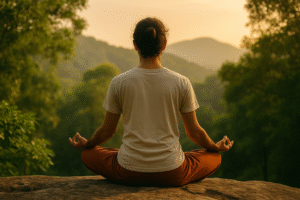
Imagine a serene landscape of lush green hills, where the only sound is the gentle rustle of leaves in the wind and the soft hum of a distant river. In this tranquil setting, the ancient sages of India sat cross-legged under the vast sky, delving deep into the mysteries of the mind, body, and spirit. They sought an understanding of the universe, a path towards enlightenment that would not only benefit themselves but also humanity at large. This pursuit of knowledge and experience gave rise to a system of physical, mental, and spiritual practices known as Yoga.But what led to the birth of Yoga? How did it evolve over thousands of years to become a globally recognized discipline? In this article, we will journey through the rich history of Yoga in India, tracing its roots from the Vedas to the teachings of Patanjali, and uncovering the profound wisdom that continues to influence millions.
The Vedas: The Earliest Texts of Yoga
The journey of Yoga begins with the Vedas, the oldest sacred texts of India, composed around 1500 BCE to 500 BCE. These texts form the foundation of Hindu philosophy and spirituality, encompassing a vast array of subjects, including rituals, hymns, and spiritual knowledge.
Within the four Vedas—Rigveda, Samaveda, Yajurveda, and Atharvaveda—Yoga is primarily mentioned in the context of meditation and the attainment of spiritual wisdom. The Rigveda, for instance, contains references to practices involving deep meditation and the concept of unity with the divine.
Key Insights from the Vedas:
- Ritualistic Practices: Early forms of Yoga were embedded in rituals and sacrifices aimed at connecting with the divine.
- Spiritual Philosophy: The Vedas articulate the importance of self-realization and the quest for knowledge.
Upanishads: The Philosophical Shift
As time progressed, the focus of Indian spirituality began to shift from external rituals to inward reflection. This transformation is encapsulated in the Upanishads, mystical texts composed between 800 BCE and 200 BCE. The Upanishads delve into the nature of reality, the self (Atman), and the ultimate reality (Brahman).
Yoga, in the context of the Upanishads, is not merely a set of physical exercises but a means to achieve a profound understanding of the self and its connection to the cosmos. Concepts such as meditation (Dhyana) and contemplation (Samadhi) are introduced, emphasizing the importance of inner peace and self-discovery.
Key Takeaways from the Upanishads:
- Atman and Brahman: The realization that the individual self is a reflection of the universal self.
- Meditation Techniques: The practice of meditation is discussed as a path to enlightenment.
The Bhagavad Gita: Integrating Yoga into Life
Fast forward to the 2nd century BCE, and we encounter one of the most revered texts in Indian philosophy: the Bhagavad Gita. This 700-verse dialogue between Prince Arjuna and Lord Krishna is a treasure trove of spiritual wisdom and practical guidance.
The Gita presents various paths of Yoga, including Karma Yoga (the yoga of action), Bhakti Yoga (the yoga of devotion), and Jnana Yoga (the yoga of knowledge). Each path offers a unique approach to achieving self-realization and harmony within oneself and with the world.
Insights from the Bhagavad Gita:
- Balance of Action and Detachment: Encourages performing one’s duty without attachment to results.
- Universal Yoga: Promotes a holistic approach to life where every action can become a form of Yoga.
Patanjali: The Codification of Yoga
Moving forward to approximately 200 CE, we meet Patanjali, a sage credited with compiling the Yoga Sutras, a foundational text that systematically outlines the principles and practices of Yoga. Comprising 196 aphorisms, the Yoga Sutras serve as a guide to the philosophy and methodology of Yoga.
Patanjali emphasized the importance of self-discipline (Sadhana), ethical conduct (Yama and Niyama), and meditation (Dhyana) as part of the Eight Limbs of Yoga (Ashtanga Yoga). This structured approach paved the way for the practice of Yoga as we know it today, providing practitioners with clear guidelines for physical, mental, and spiritual growth.
Key Elements of the Yoga Sutras:
- The Eight Limbs of Yoga: Yama (ethical standards), Niyama (self-discipline), Asana (postures), Pranayama (breath control), Pratyahara (withdrawal of senses), Dharana (focus), Dhyana (meditation), and Samadhi (absorption).
- Mind Control: The Sutras explore the importance of controlling the mind to achieve peace and clarity.
Yoga in the Post-Classical Era
Following Patanjali’s influential work, Yoga continued to evolve, integrating various schools of thought and practices. The post-classical era saw the rise of Hatha Yoga, a focus on physical postures and breath control that emphasizes the union of body and mind.
Hatha Yoga’s teachings were disseminated through texts such as the Hatha Yoga Pradipika (15th century) and the Gheranda Samhita (17th century). These texts elaborate on the practical aspects of Yoga, detailing techniques for purifying the body and preparing it for meditation.
Hatha Yoga Highlights:
- Physical Practices: Emphasis on Asanas and Pranayama to achieve physical and spiritual balance.
- Energy Control: Techniques aimed at harnessing and directing life force (Prana).
The Modern Yoga Movement
The 19th and 20th centuries marked a significant turning point for Yoga, as it began to spread to the West, gaining immense popularity. Pioneers like Swami Vivekananda introduced the philosophies of Yoga to international audiences, emphasizing the spiritual dimensions alongside its physical benefits.
In the 20th century, figures such as B.K.S. Iyengar, Pattabhi Jois, and T.K.V. Desikachar further popularized Yoga, each contributing their unique styles and teachings. The integration of Yoga in fitness and wellness practices made it accessible to a broader range of people, transcending cultural barriers.
Modern Yoga Insights:
- Global Phenomenon: Yoga has evolved into a multi-billion dollar industry, with studios and practices worldwide.
- Emphasis on Well-being: The focus has shifted toward mental health and stress relief, appealing to contemporary lifestyles.
Why Yoga Matters Today
In a fast-paced world filled with distractions and stressors, the ancient practice of Yoga offers a sanctuary for self-reflection and inner peace. Its teachings encourage mindfulness, self-acceptance, and resilience, providing valuable tools for navigating the complexities of modern life.
- Physical Health: Regular practice improves flexibility, strength, and overall physical health.
- Mental Clarity: Yoga fosters mental focus and emotional balance, supporting mental health.
- Spiritual Connection: Offers a pathway to spiritual growth, self-discovery, and a deeper understanding of one’s purpose.
Practical Steps to Incorporate Yoga into Daily Life
For those looking to embrace the wisdom of Yoga, here are some practical steps to get started:
- Start with Breath: Begin each day with a few minutes of deep, mindful breathing to center yourself.
- Explore Asanas: Incorporate basic postures into your routine. Sun Salutations (Surya Namaskar) are a great starting point.
- Practice Meditation: Dedicate time each day for meditation, even if it’s just for five minutes, to cultivate inner stillness.
- Read Yoga Texts: Engage with texts like the Bhagavad Gita or the Yoga Sutras to deepen your understanding.
- Join a Class: Consider joining a local Yoga class or an online session to learn from experienced instructors.
Conclusion: The Timeless Journey of Yoga
The history of Yoga is a testament to humanity’s profound quest for understanding and harmony. From its ancient roots in the Vedas to the structured teachings of Patanjali and beyond, Yoga continues to evolve, inspiring countless individuals to embark on their own journeys of self-discovery and well-being.
As you explore the rich tapestry of Yoga’s history, may you find inspiration to incorporate its wisdom into your daily life. Remember, Yoga is not merely a practice but a way of being, inviting you to connect with your true self and the world around you. So, why not roll out your mat and begin your journey today?