
Introduction: The Call of Awakening
On September 11, 1893, a young monk stepped onto the grand stage of the World’s Parliament of Religions in Chicago, his heart filled with a blend of trepidation and purpose. Swami Vivekananda, representing India, electrified the audience with his opening words: “Sisters and brothers of America.” With those simple yet profound words, he not only introduced Hinduism to the Western world but also stirred a sense of identity and pride within millions of Indians. Today, as we navigate through the complexities of modern life, Swami Vivekananda’s teachings resonate louder than ever. What can we learn from this great spiritual leader to help us on our own journeys?
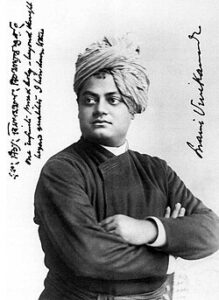
Who Was Swami Vivekananda?
Born as Narendranath Datta in 1863 in Kolkata, India, Vivekananda was a gifted child, showing extraordinary talent in music, sports, and academics. However, his true quest began when he met his spiritual mentor, Ramakrishna Paramahamsa. Under Ramakrishna’s guidance, Vivekananda learned the essence of Vedanta, which would later shape his teachings and philosophies.
The Journey of Self-Discovery
Vivekananda’s life was a quest for self-discovery and understanding the divine within. He traveled extensively across India, seeking the wisdom of rural sages, understanding the ethos of the common man, and observing the socio-economic realities of his time. This journey inspired his vision to awaken India spiritually and culturally.
Vedanta and Its Core Teachings
At the heart of Vivekananda’s teachings lies Vedanta, a school of thought rooted in the Upanishads, emphasizing the oneness of the individual soul (Atman) and the universal soul (Brahman). His interpretations of Vedanta were both profound and practical, making ancient wisdom accessible to the modern individual.
The Essence of Vedanta
- Unity of Existence: Vivekananda taught that all beings are interconnected, urging us to perceive the divine in every individual.
- Self-Realization: He stressed that realizing one’s true self was paramount to understanding the universe and achieving peace.
- Service to Humanity: For Vivekananda, serving humanity was akin to serving God, leading to a life of purpose and fulfillment.
The Discipline of Vivekananda
Discipline was a cornerstone of Vivekananda’s philosophy. He believed that without discipline, one’s spiritual pursuits could easily falter. His life exemplified rigorous self-discipline, which contributed to his profound spiritual insights.
Practical Steps for Cultivating Discipline
- Daily Meditation: Set aside time each day for meditation, allowing yourself to connect with your inner self.
- Study of Scriptures: Regularly read and reflect on spiritual texts, which can provide guidance and inspiration.
- Physical Fitness: Engage in regular physical activity, as a healthy body supports a healthy mind.
- Mindful Living: Practice mindfulness in daily activities, bringing awareness to each moment.
Vivekananda’s Message in Modern Life
Embracing Change and Adaptation
Vivekananda was a proponent of adaptability, urging individuals and society to evolve while holding onto core principles. In our rapidly changing world, embracing change while remaining rooted in our spiritual values is crucial.
Practical Applications of His Teachings
- Self-Reflection: Regularly assess your goals and motivations, ensuring they align with your inner values.
- Community Service: Engage in local initiatives, fostering a sense of belonging and purpose.
- Mindful Technology Use: Balance screen time with activities that promote mental and spiritual well-being.
The Legacy of Swami Vivekananda
Vivekananda’s influence extends far beyond his lifetime. His words continue to inspire countless individuals and movements, urging them towards a higher purpose.
Impact on Indian Society
Vivekananda played a pivotal role in the Indian Renaissance, igniting a spiritual awakening that contributed to India’s struggle for independence. His teachings on self-reliance and strength resonated deeply during a time of colonial oppression.
Global Influence
Even outside India, Vivekananda’s teachings have inspired numerous leaders and thinkers. His emphasis on universal brotherhood transcends cultural boundaries, making his message relevant worldwide.
Why It Matters
In today’s fast-paced society, where stress and materialism often reign supreme, the teachings of Swami Vivekananda remind us to pause and reflect on our purpose. His blending of spirituality with practicality offers a roadmap for navigating life’s complexities.
Key Takeaways
- Vivekananda’s Vedantic teachings emphasize the unity of all existence.
- Discipline is essential for spiritual growth and self-realization.
- His message of service to humanity is particularly relevant in today’s world.
- Adapting to change while remaining grounded in spiritual values is crucial.
Conclusion: The Eternal Call to Action
Swami Vivekananda was not merely a spiritual leader; he was a visionary who awakened the collective consciousness of a nation. His teachings challenge us to look within, to serve others, and to strive for excellence. As we reflect on his wisdom, let us ask ourselves: Are we living our highest truth? How can we incorporate these timeless principles into our daily lives? The answers lie not just in contemplation but in action. Embrace the teachings of Vivekananda, and let them guide you toward a more meaningful existence.