Introduction: The Timeless Healer
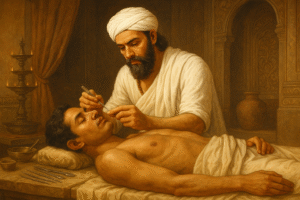
In the annals of medical history, few figures shine as brightly as Sushruta, often hailed as the ‘father of surgery.’ Imagine a world where surgery was not just a procedure but a compassionate art form, where the healer viewed the patient not just as a body to be fixed but as a soul in distress. This was the essence of Sushruta’s practice in ancient India, a harmonious blend of science, Ayurveda, and deep compassion.
But what makes Sushruta’s work so profound that it still resonates today? What lessons can we draw from his pioneering practices that can guide modern healthcare? Join us on a journey through time as we explore the life, teachings, and legacy of this extraordinary individual.
Who Was Sushruta?
Sushruta was an ancient Indian physician who is believed to have lived around 600 BCE in the city of Varanasi, which was a hub of learning and culture. His pivotal work, the Sushruta Samhita, is one of the foundational texts of Ayurveda, laying the groundwork for surgical procedures and medical ethics.
His profound understanding of human anatomy stemmed from meticulous observation and hands-on dissection, a practice that was revolutionary for its time. Sushruta’s teachings were not merely a collection of surgical techniques; they were imbued with a spiritual understanding that recognized the interconnectedness of body, mind, and spirit.
The Foundations of Sushruta’s Wisdom
Sushruta’s approach transcended the physical realm, integrating Ayurvedic principles with a compassionate understanding of human suffering. Here are some key components of his philosophy:
- Ayurveda as a Holistic System: At the heart of Sushruta’s practices was Ayurveda, the ancient system of medicine that emphasizes balance among the mind, body, and spirit. Sushruta blended this holistic approach with surgical intervention, moving beyond mere technical skill.
- Empathy and Compassion: Sushruta taught that the healer’s duty was not only to treat ailments but to alleviate suffering. This deep sense of compassion guided his surgical practices, ensuring that patients felt understood and cared for.
- Education and Knowledge Sharing: Sushruta believed in the importance of education, imparting his knowledge to the next generation of surgeons. His teachings emphasized the need for rigorous training and the continuous pursuit of knowledge.
The Sushruta Samhita: A Masterpiece of Ancient Medicine
The Sushruta Samhita remains one of the most comprehensive texts on surgery and medicine. Divided into several sections, it encompasses a wide range of topics from anatomy to surgical procedures and even ethics. Here’s a deeper look at its structure:
1. Anatomy and Physiology
Sushruta meticulously described the human body, identifying various organs and their functions. He emphasized the importance of understanding anatomy for effective treatment. For instance, he detailed the structure of the heart, the digestive system, and the nervous system, showcasing an advanced understanding of human physiology.
2. Surgical Techniques
The text outlines over 120 surgical instruments, some of which were remarkably sophisticated, including scalpels, tweezers, and forceps. Sushruta did not just focus on techniques; he also emphasized the significance of hygiene and sterilization, advocating for the cleanliness of instruments and the surgical environment.
3. Methods of Treatment
Sushruta categorized diseases and provided various treatment modalities, including:
- Surgical Procedures: From cesarean sections to rhinoplasty (nose reconstruction), Sushruta’s methods were advanced for his time and showcased a practical approach to surgery.
- Herbal Remedies: He often prescribed herbal treatments to complement surgical procedures, recognizing the importance of holistic healing.
- Postoperative Care: Sushruta emphasized the significance of follow-up care, which is crucial for patient recovery.
4. Medical Ethics
One of the groundbreaking aspects of the Sushruta Samhita is its focus on medical ethics. Sushruta advocated for a code of conduct for physicians, emphasizing the importance of integrity, compassion, and respect for patients.
Real-World Applications of Sushruta’s Teachings
Even in modern times, Sushruta’s teachings offer valuable lessons for healthcare professionals and patients alike. Here are some real-world applications:
Integrating Compassion into Healthcare
In today’s fast-paced medical environment, the lessons of compassion and empathy that Sushruta championed are more relevant than ever. Healthcare providers can take inspiration from his teachings by:
- Listening Actively: Sushruta believed in understanding the patient’s narrative. This can be translated into modern practice through active listening and open communication.
- Holistic Care: Incorporating mental and emotional well-being into treatment plans ensures that patients feel supported on all levels.
Advancements in Surgical Techniques
Many of Sushruta’s surgical procedures laid the groundwork for modern techniques. Innovations in areas such as:
- Plastic Surgery: Sushruta’s methods for reconstructive surgery have influenced contemporary practices in plastic surgery.
- Minimally Invasive Techniques: The emphasis on precision and minimal trauma in Sushruta’s practices resonates with today’s trend toward minimally invasive surgery.
Why Sushruta Matters Today
Reflecting on the life and legacy of Sushruta, we can derive essential lessons that transcend time and culture. Here are a few reasons why Sushruta remains a pivotal figure in both ancient and modern contexts:
- Cultural Heritage: Sushruta embodies the rich heritage of Indian medicine, showing how ancient wisdom can inform contemporary practice.
- Compassion in Healing: His teachings serve as a reminder of the importance of empathy in healthcare, an aspect often overshadowed in modern medical practice.
- Scientific Inquiry: Sushruta’s emphasis on observation and experimentation laid the groundwork for the scientific method that dominates modern medicine.
Key Takeaways
- Sushruta’s integration of science and compassion revolutionized surgery.
- The Sushruta Samhita remains a crucial text for understanding ancient medical practices.
- Compassionate care and ethical practices are as essential today as they were in ancient times.
Practical Tips: Incorporating Sushruta’s Wisdom in Daily Life
To honor Sushruta’s legacy, here are some practical steps you can take, whether you are a healthcare provider or an individual seeking holistic wellness:
For Healthcare Providers
- Practice Empathy: Make it a habit to engage with patients on a personal level. Understand their fears and concerns, and address them with care.
- Commit to Lifelong Learning: Just as Sushruta emphasized knowledge sharing, healthcare professionals should continue to advance their knowledge and skills.
For Individuals
- Embrace Holistic Wellness: Consider body, mind, and spirit as interconnected. Explore practices like yoga and meditation that promote overall well-being.
- Advocate for Compassionate Care: Whether seeking medical help or giving it, prioritize environments that respect and nurture human connections.
Conclusion: A Legacy of Healing
As we explore the life and teachings of Sushruta, we uncover a treasure trove of wisdom that resonates even today. His innovative surgical techniques, deep empathy, and commitment to education highlight the importance of viewing healthcare not merely as a science but as a compassionate art.
In a world often driven by technology and procedures, let us remember the essence of Sushruta: healing is a journey of the heart, where compassion meets skill, and where every patient is treated as a whole person. As we embrace the lessons from this ancient master, we can pave the way for a more compassionate and holistic approach to health and wellness in our modern world.