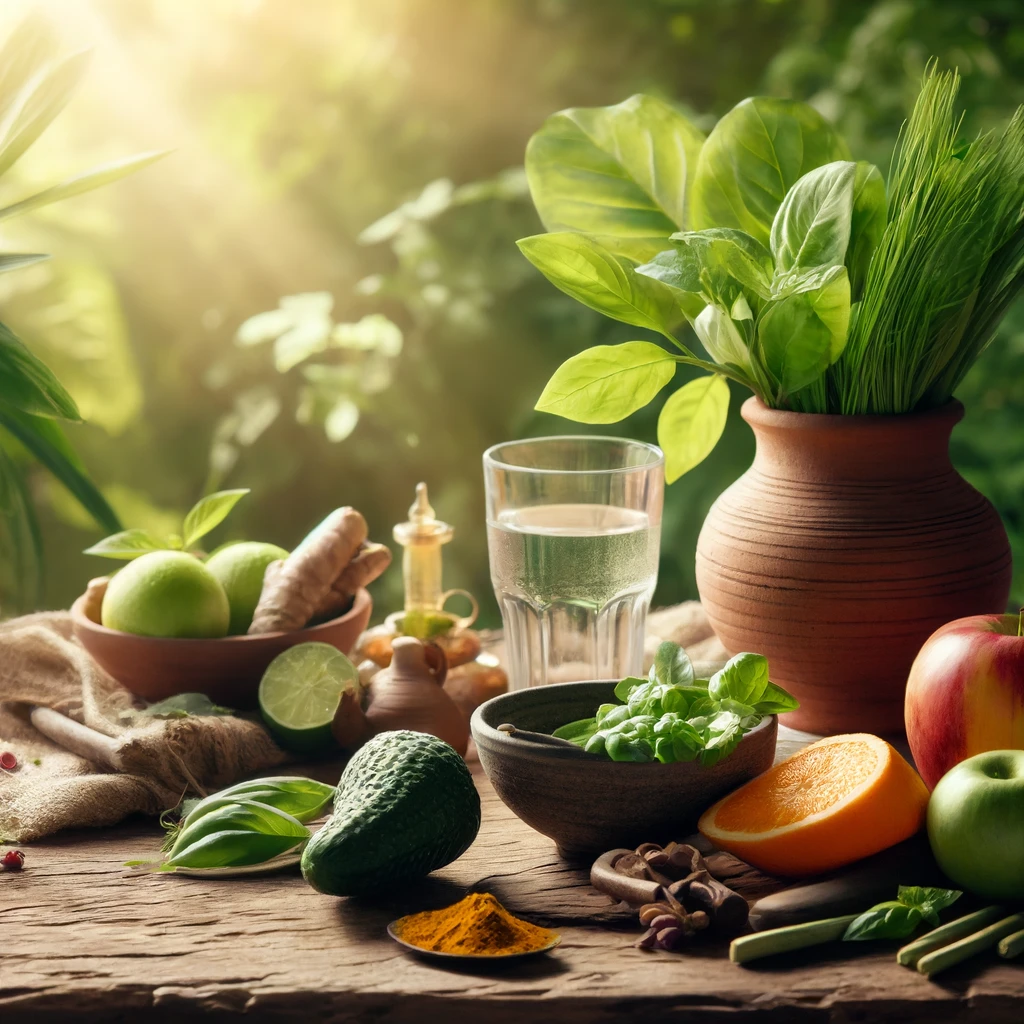
Remember when wellness meant just hitting the gym and drinking green smoothies? Those days feel quaint now. In 2025, something ancient and deeply rooted in thousands of years of practice is making a massive comeback—and it’s reshaping how we think about health entirely. Welcome to the Ayurveda boom.
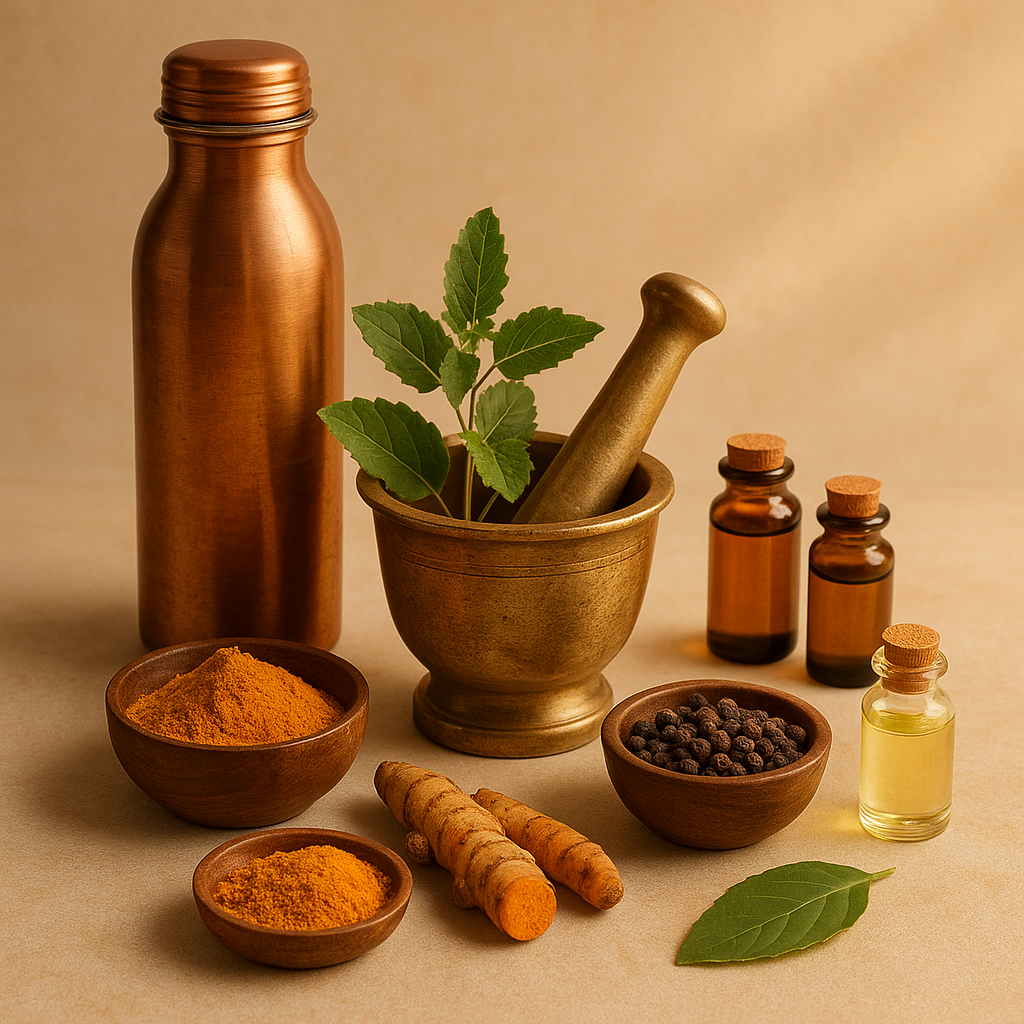
If you’ve scrolled through wellness Instagram lately or walked into a yoga studio, you’ve probably heard the word “Ayurveda” thrown around more than ever before. But this isn’t just hype. This is a genuine shift in how people worldwide are approaching their health, their daily routines, and their relationship with their bodies. So what’s really driving this ancient wellness revolution? Let’s explore.
The Ancient Wisdom Going Global
Ayurveda, India’s 5,000-year-old system of medicine, is experiencing an unprecedented surge in global popularity as we enter 2025. It’s not confined to ashrams in India anymore. From London to Los Angeles, from Sydney to Singapore, people are diving into dosha quizzes, adjusting their diets based on their constitution, and discovering that maybe the secret to wellness isn’t one-size-fits-all.
The numbers tell the story. Global searches for “Ayurveda” and related terms continue to climb consistently. Media outlets from CNN to Travel + Leisure have designated Ayurveda as one of 2025’s defining wellness trends. But why now? Why is a 5,000-year-old system suddenly resonating so deeply with modern seekers as we step into this new year?
Three Reasons Ayurveda is Winning Hearts Everywhere
1. We’re Exhausted by One-Size-Fits-All Medicine
For decades, mainstream wellness has operated on a simple premise: here’s what’s healthy for everyone. Eat this. Avoid that. Do this workout. But here’s the truth—we’re not all the same. Your body, your digestion, your energy levels, and your needs are unique. Ayurveda gets this in a way that modern wellness culture often misses.
Ayurveda recognizes that each person has a unique constitution, called a “dosha.” Some people are Vata (energetic, creative, but prone to anxiety). Others are Pitta (ambitious, sharp, but prone to burnout). Then there’s Kapha (grounded, calm, but sometimes sluggish). Instead of prescribing the same green juice to everyone, Ayurveda asks: “What does your body need to feel balanced?”
This personalized approach feels revolutionary to people tired of generic advice that never quite works for them.
2. Clean Beauty and Natural Living Are Mainstream Now
The clean beauty movement didn’t just create a market for natural skincare—it fundamentally changed how we think about what we put on and in our bodies. Enter Ayurveda’s founding principle: “If you can’t eat it, don’t use it on your skin.”
This isn’t a new idea, but it’s one that aligns perfectly with where wellness culture is headed. Ayurvedic beauty rituals—oil massages, herbal face packs, natural treatments—are no longer seen as “alternative.” They’re increasingly viewed as the intelligent choice. Forest Essentials, the luxury Ayurvedic beauty brand, has become a status symbol precisely because Ayurveda’s clean-beauty philosophy resonates with conscious consumers.
3. People Are Craving Meaning, Not Just Metrics
Modern wellness often reduces health to numbers: calories, steps, heart rate, weight. But there’s growing recognition that true wellness is more holistic. It’s about energy, digestion, sleep quality, emotional balance, and how you feel—not just what the scale says.
Ayurveda doesn’t obsess over metrics. It asks deeper questions: Are you digesting well? Do you sleep peacefully? Is your mind clear? Do you have sustainable energy? These are the questions people increasingly want answered.
Understanding the Three Pillars of Ayurvedic Wellness
To really grasp why Ayurveda is trending, you need to understand its core offerings:
Dosha Balance: Ayurveda teaches that optimal health comes from balancing your unique constitution. This isn’t mystical—it’s practical. If you’re a Vata type (naturally scattered), grounding practices benefit you. If you’re Pitta (naturally intense), cooling practices help. When your dosha is balanced, you feel naturally well.
Clean-Beauty Rituals: Oil massage (abhyanga), herbal face packs, and natural skincare aren’t luxuries in Ayurveda—they’re preventative medicine. These practices nourish your skin and your nervous system simultaneously. It’s skincare that actually feels like self-care.
Digestive Wellness: Ayurveda places enormous emphasis on digestion because it believes most health issues begin in the gut. Time-tested remedies like Triphala (a blend of three fruits), copper-infused water, and mindful eating practices are experiencing a renaissance as modern science validates what Ayurveda has taught for millennia.
The Science Behind the Trend
Here’s what’s fascinating: Ayurveda isn’t just trending because it’s trendy. Modern research is increasingly validating what ancient practitioners knew. Studies on herbs like ashwagandha, turmeric, and tulsi show measurable benefits for stress, immunity, and inflammation. The concept of personalized medicine (tailoring health advice to individuals) is now the cutting edge of modern medicine—exactly what Ayurveda has been practicing for 5,000 years.
This convergence of ancient wisdom and modern science is powerful. It gives people permission to trust what feels intuitively right while also having research to back it up.
What This Trend Means for You
Whether you’re a dedicated wellness enthusiast or someone just starting to think about health differently, the Ayurveda boom represents something important: a shift toward personalized, holistic, and sustainable wellness.
You don’t need to overhaul your entire life. You might start by discovering your dosha. Maybe you’ll incorporate one Ayurvedic ritual into your routine—a calming oil massage, a warming tea, mindful eating practices. Perhaps you’ll seek out Ayurvedic skincare that aligns with your values. Or you might simply adopt the foundational philosophy: that your body is unique, that it’s worth listening to, and that true wellness is deeply personal.
The rise of Ayurveda in 2025 isn’t just a trend that will fade. It represents a fundamental recalibration of how we approach our bodies and our health. It’s a reminder that sometimes the answers we’re searching for aren’t new—they’re ancient, they’re tested, and they’re waiting for us to rediscover them.
Ready to explore Ayurveda? Start by taking a dosha quiz to understand your unique constitution. Then, introduce one small Ayurvedic practice into your daily routine. You might be surprised how quickly you feel the difference.