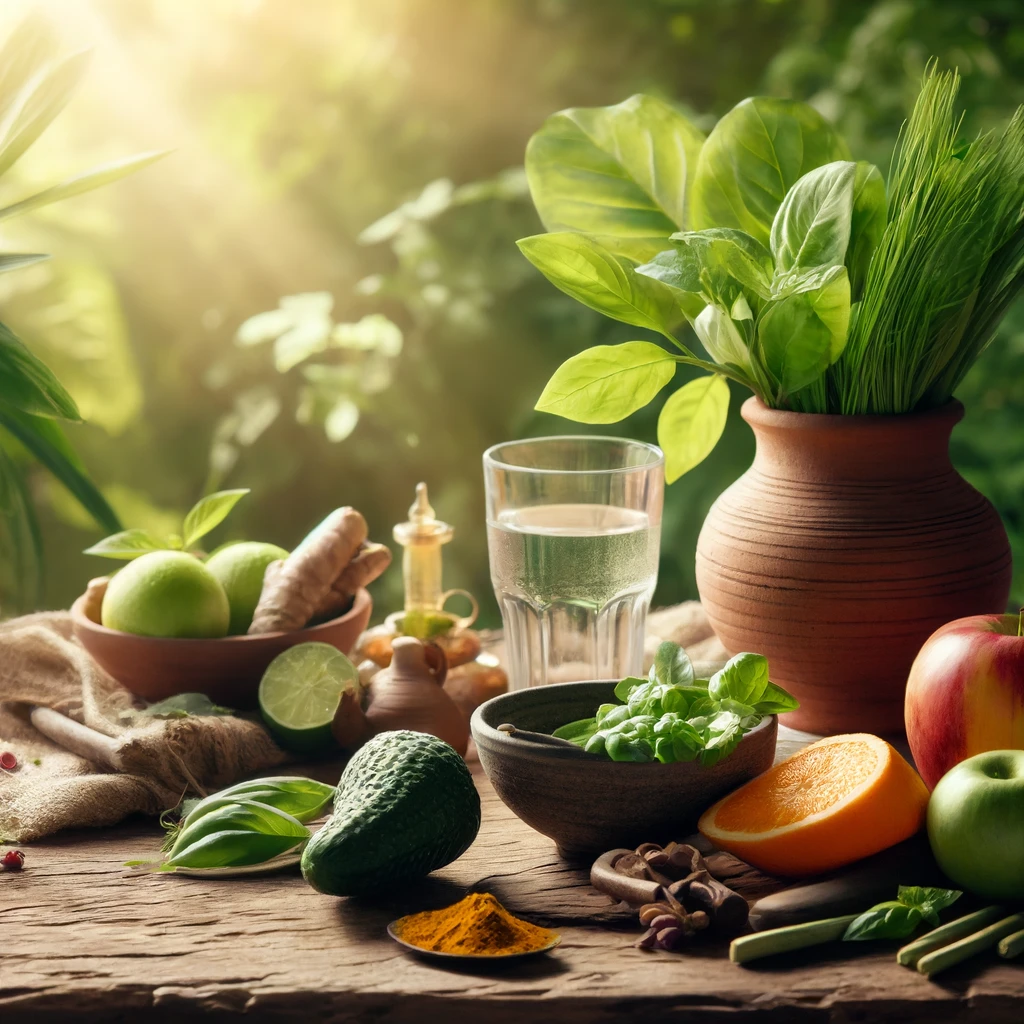
Here’s something weird about modern beauty culture: we’ve convinced ourselves that true beauty comes from a 12-step skincare routine, expensive serums with ingredients we can’t pronounce, and a medicine cabinet’s worth of products.
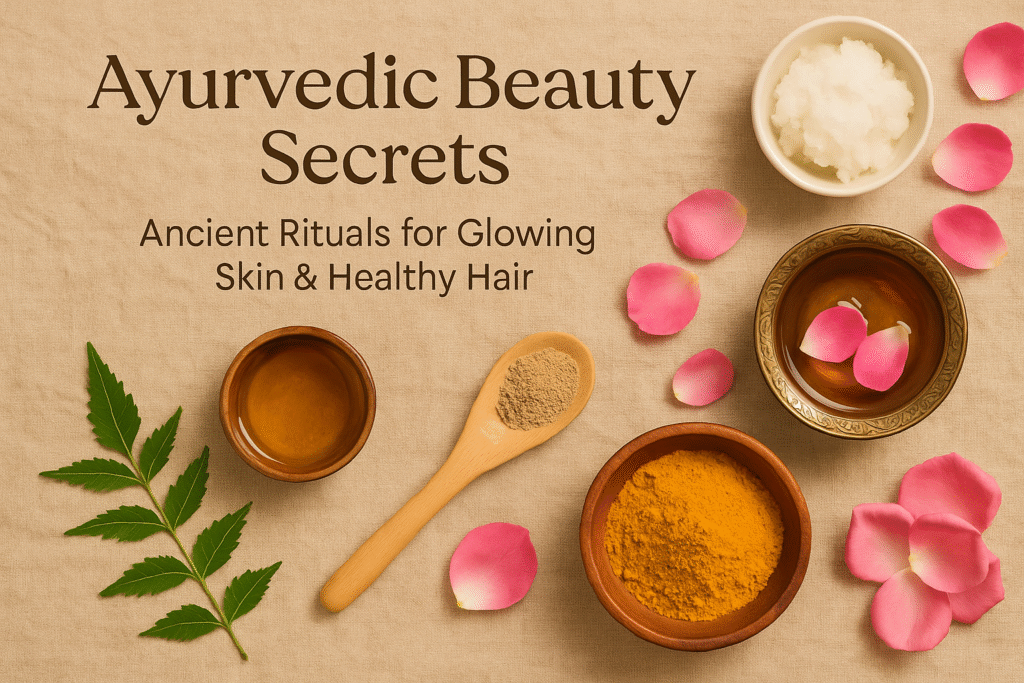
But real beauty? It doesn’t come from your bathroom. It comes from the inside—from how you nourish yourself, how you treat your body, and how you align with your natural rhythms. Ayurveda understood this thousands of years ago.
In Ayurveda, beauty isn’t about masking or covering up. It’s about radiance—that natural glow that comes from genuine health. And the philosophy is refreshingly simple: if you wouldn’t eat it, don’t put it on your skin. That single principle revolutionizes how you think about beauty products.
This isn’t about being “natural” for the sake of being trendy. It’s about using real ingredients—plant oils, herbs, minerals—that your body recognizes and can actually benefit from. The kind of beauty that comes from nourishment rather than chemicals.
Let me walk you through Ayurvedic beauty rituals that actually transform how you look and feel.
The Foundation: Understanding Your Skin’s Dosha
Before diving into specific practices, remember what you learned about doshas: everyone is different. Your skin type, like your body, has a dosha. And beauty routines should match your skin’s constitution.
Vata skin tends to be dry, thin, and sensitive. It needs deep nourishment and grounding.
Pitta skin tends toward sensitivity, inflammation, and heat. It needs cooling and calming.
Kapha skin tends to be oily, thick, and resilient. It needs stimulation and light, warming care.
As you read through these rituals, keep your skin’s dosha in mind. Customize based on what your skin actually needs rather than following generic advice.
Ritual 1: Abhyanga (Oil Massage) – Nourish from the Outside In
Let’s start with one of Ayurveda’s most transformative practices: abhyanga, or self-massage with oil.
This isn’t just pampering. When you massage warm oil into your skin, something profound happens. You’re nourishing your largest organ. You’re stimulating lymphatic drainage. You’re calming your nervous system. And yes, your skin becomes radiant.
The key is choosing the right oil for your skin type.
For Vata skin: Use warming, grounding oils like sesame or almond oil. Vata skin is dry and needs deep nourishment. Sesame oil is warming and penetrating—it actually goes deep into the tissues.
For Pitta skin: Use cooling oils like coconut or sunflower oil. Pitta skin is easily inflamed, so you want something that cools and soothes rather than heats.
For Kapha skin: Use lighter, more stimulating oils like mustard or neem oil. Kapha skin tends toward congestion; you want oils that are warming and help mobilize stagnation.
How to practice abhyanga:
- Warm your chosen oil (not too hot—test on your wrist first)
- Set aside 15-20 minutes in the morning or evening
- Start at your feet and massage upward in circular motions
- Pay special attention to your face, neck, and décolletage
- Use gentle, loving strokes. This isn’t aggressive. It’s nourishment.
- Leave the oil on for 10-15 minutes, then take a warm shower
The magic: Start with once a week and notice how your skin transforms. After a month of regular abhyanga, your skin will be visibly softer, more hydrated, and genuinely glowing. The benefits go beyond skin—your nervous system calms, your stress decreases, and you feel more grounded.
Ritual 2: Herbal Face Packs – Deep Cleansing & Nourishment
While Western beauty culture obsesses over daily cleansing, Ayurveda takes a different approach: deep-cleansing masks once or twice a week, combined with gentle daily cleansing.
Herbal face packs made from simple kitchen ingredients are incredibly effective and aligned with Ayurveda’s philosophy. Here are three you can make at home right now.
Classic Turmeric & Honey Pack (For all doshas, especially Pitta)
Ingredients:
- 1 tablespoon raw honey
- ½ teaspoon turmeric powder
- 1 tablespoon yogurt (or coconut oil for Pitta)
- A squeeze of lemon juice
Why it works: Turmeric is anti-inflammatory and antibacterial. Honey is hydrating and healing. This combination reduces blemishes, evens skin tone, and leaves skin glowing.
How to use: Mix ingredients into a paste. Apply to clean skin, avoiding the eye area. Leave for 15-20 minutes. Rinse with warm water. Use once or twice weekly.
Neem & Sandalwood Pack (For Pitta or acne-prone skin)
Ingredients:
- 2 tablespoons neem powder
- 1 tablespoon sandalwood powder
- 1 tablespoon coconut oil
- Rose water (enough to make a paste)
Why it works: Neem is a powerful natural antibacterial. Sandalwood cools and soothes. This combination is incredible for inflamed skin, breakouts, or oversensitive Pitta skin.
How to use: Mix into a smooth paste. Apply evenly. Leave for 15-20 minutes. Rinse gently. Use 1-2 times weekly.
Chickpea Flour & Turmeric Pack (For Vata skin that needs grounding)
Ingredients:
- 3 tablespoons chickpea flour (also called gram flour)
- ½ teaspoon turmeric powder
- 1 tablespoon sesame oil or ghee
- Warm milk (enough to make a paste)
Why it works: Chickpea flour gently exfoliates while being nourishing. The sesame oil or ghee deeply hydrates dry Vata skin.
How to use: Mix into a thick paste. Apply gently, using small circular motions as you apply. Leave for 15-20 minutes. Rinse with warm water and follow with oil massage. Use 1-2 times weekly.
Ritual 3: Hair Oil Massage (Champi) – Lustrous, Healthy Hair
In Ayurveda, the scalp is considered extremely important. It’s connected to your nervous system and your overall health. Regular oil massage of the scalp and hair isn’t vanity—it’s preventative medicine.
Regular champi (hair massage) strengthens hair roots, prevents premature graying, reduces stress, improves sleep, and promotes thick, lustrous hair growth.
Choose your oil based on dosha and season:
- Vata: Sesame or brahmi oil (warming, grounding)
- Pitta: Coconut or brahmi oil (cooling)
- Kapha: Mustard or neem oil (stimulating, warming)
How to practice champi:
- Warm the oil slightly (test temperature on your wrist)
- Part your hair and apply oil to your scalp, section by section
- Using your fingertips (not nails), massage your scalp with firm, circular motions
- Work from the crown down, covering your entire head
- Run the oil through the lengths of your hair
- Leave the oil in for at least 30 minutes (or overnight for deep conditioning)
- Shampoo gently to remove the oil
Pro tip: Do this massage once or twice weekly. If you can only do it once a week, make it a sacred ritual—light a candle, play calming music, and really be present with the experience.
The results: Within 2-3 weeks of consistent champi, your hair becomes noticeably stronger, shinier, and more resilient. You sleep better. Your stress decreases. This is one of Ayurveda’s most underrated beauty practices.
Ritual 4: Tongue Scraping – An Often-Forgotten Daily Practice
This one seems random, but stay with me.
In Ayurveda, your tongue is a window into your digestive health and overall toxin load. When you wake up, your tongue often has a coating—that’s ama (undigested material and toxins) that accumulated overnight. Scraping it off supports your body’s natural detoxification.
But here’s what’s wild: when your digestive system functions optimally, your skin automatically glows. Better digestion means better absorption of nutrients, less inflammation, and less toxins showing up on your skin. Tongue scraping is tiny, but it’s part of the bigger picture of inner beauty reflecting on your face.
How to practice:
- Upon waking, before eating or drinking anything
- Use a copper or stainless steel tongue scraper (not plastic)
- Gently scrape from the back of your tongue toward the front
- Repeat 5-10 times
- Rinse your mouth
Takes 30 seconds. Transforms digestion and skin over time.
Ritual 5: Staying Hydrated the Ayurvedic Way
Beauty from the inside out starts with hydration. But Ayurveda doesn’t just say “drink water.” It says drink warm water, especially first thing in the morning and throughout the day.
Why warm? Cold water can dampen your digestive fire. Warm water supports digestion, helps flush toxins, and hydrates your skin from within. Aim for room temperature or warm (not piping hot).
Even better: Add a squeeze of lemon juice to warm water upon waking. This stimulates digestion and supports your liver—your body’s primary detoxification organ. When your liver is happy, your skin glows.
Ritual 6: Sleep and Routines – The Secret Beauty Ingredient
Here’s something Ayurveda understands that most beauty influencers don’t talk about: genuine beauty comes from sleep and routine.
When you’re well-rested and your circadian rhythms are in sync with your dosha’s needs, your skin regenerates optimally. Collagen is produced. Your nervous system heals. You literally glow.
For Vata: Go to bed early (9-10pm) and wake early. Your nervous system needs consistent rhythm.
For Pitta: Sleep by 10-11pm. Pitta runs hot; sleep helps cool you down and prevent burnout-related skin issues.
For Kapha: You can stay up later, but get up early. Kapha’s tendency to stagnate is counteracted by an early rise.
This might sound boring compared to expensive skincare, but consistent sleep will transform your skin faster than any product ever could.
Putting It All Together – Your Ayurvedic Beauty Routine
You don’t need to do everything at once. Start with what resonates:
Daily:
- Morning: Tongue scrape, warm lemon water, gentle face cleansing
- Evening: Gentle face cleansing with appropriate cleanser (or just rose water for Pitta)
2-3 times weekly:
- Herbal face pack (choose based on your skin’s dosha)
Once or twice weekly:
- Abhyanga (oil massage) for face and body
- Champi (scalp oil massage)
As needed:
- Hydrating with warm water throughout the day
- Adjusting routines based on season and how your skin feels
This is a rhythm, not a rigid protocol. Listen to your skin. If it’s feeling dry, add more oil. If it’s inflamed, cool it down. Your skin will communicate what it needs when you start paying attention.
The Philosophy Behind It All
Ayurvedic beauty isn’t about erasing aging or looking like someone else. It’s about bringing out your natural radiance—that glow that comes from genuine health, nourishment, and self-care.
The best part? It’s affordable. Most Ayurvedic beauty ingredients cost a fraction of luxury products. Oil is cheap. Turmeric is cheap. Honey is cheap. But the results? Absolutely priceless.
When you stop chasing external solutions and start nourishing from within, something shifts. Your skin glows. Your hair becomes lustrous. You feel more comfortable in your own body. That’s real beauty.
Your Next Step
Choose one ritual from this guide. Practice it consistently for 2-3 weeks. Notice what shifts. Then add another ritual. Layer them in slowly. Let Ayurvedic beauty practices become part of how you care for yourself.
Real, lasting beauty doesn’t come from a bottle. It comes from rituals, consistency, and genuinely nourishing your body—inside and out.
Ready to glow from the inside out? Start with abhyanga or a herbal face pack this week. Your skin will thank you. And more importantly, so will your entire nervous system.