
Introduction: The Sage of Healing
In the depths of ancient India, where the sacred texts of the Vedas whispered the secrets of life and nature, one man emerged as a beacon of healing wisdom—Charaka. Often referred to as the Father of Ayurvedic Medicine, Charaka’s teachings have transcended time, guiding countless souls towards harmony, balance, and holistic wellness. Imagine a time when health was not merely the absence of illness, but a state of profound balance within the body, mind, and spirit. What if we could tap into that wisdom today? This article takes you on an engaging journey through Charaka’s teachings on balance, diet, and healing, unveiling the timeless principles that can enhance our lives in the modern world.
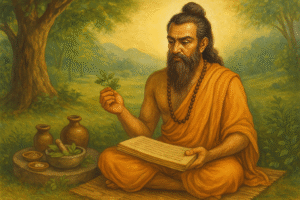
Charaka: A Historical Context
Charaka is believed to have lived around 300 BCE, during a period when Ayurveda began to crystallize into a formal system of medicine. The foundational text attributed to him, the Charaka Samhita, is one of the cornerstones of Ayurveda. This ancient scripture is not just a medical manual but a philosophical treatise that integrates spirituality, ethics, and practical knowledge about human health.
The Charaka Samhita is divided into eight sections, covering everything from the fundamentals of Ayurveda and the nature of the human body to detailed descriptions of diseases and their cures. Charaka’s approach emphasized the importance of understanding the body as a whole, recognizing that physical health is deeply interconnected with mental and emotional well-being. This holistic view is one of the main reasons why Ayurveda remains relevant even in contemporary times.
The Core Philosophy of Balance
At the heart of Charaka’s teachings lies the principle of balance. He proposed that health arises from a delicate equilibrium among the three doshas—Vata, Pitta, and Kapha. Each dosha represents different elements and qualities within the body, and the balance among them is crucial for achieving optimal health.
Understanding the Doshas
Here’s a brief overview of the three doshas:
- Vata: Composed of air and ether, Vata governs movement, communication, and creativity. It is light, dry, and cold.
- Pitta: Made up of fire and water, Pitta embodies transformation and metabolism. It is hot, sharp, and intense.
- Kapha: Formed from earth and water, Kapha provides structure and stability to the body. It is heavy, slow, and nurturing.
Each individual possesses a unique combination of these doshas, which is determined at birth and can change throughout life due to various factors, including diet, lifestyle, and environment. Charaka’s teachings encourage self-awareness and mindfulness in observing our dosha imbalances and addressing them through diet, lifestyle modifications, and herbal remedies.
The Importance of Diet in Ayurvedic Healing
“Let food be thy medicine,” Charaka once implied, emphasizing the profound impact of diet on health. In Ayurveda, food is more than mere sustenance; it is a source of healing energy that can either heal or harm us, depending on how it aligns with our unique constitution.
Principles of Ayurvedic Nutrition
Charaka outlined several key principles of Ayurvedic nutrition that are invaluable for maintaining health:
- Prakriti (Nature of the Food): Foods should be chosen based on their qualities—light, heavy, warm, or cold—and how they align with one’s dosha.
- Ahara (Diet): A balanced diet includes six tastes—sweet, sour, salty, pungent, bitter, and astringent. Incorporating all six can promote harmony and satisfaction.
- Proper Digestion: Charaka emphasized the importance of Agni (digestive fire). Consuming food when the body is ready to digest it maximizes nutrient absorption.
Incorporating these principles into daily life can transform one’s approach to eating. For instance, someone with a predominant Pitta dosha may find relief from spicy foods by opting for cooling, hydrating options like cucumber or coconut.
The Art of Healing: Charaka’s Approach
Charaka’s healing philosophy is holistic, integrating the body, mind, and spirit. He believed that true healing goes beyond treating symptoms; it requires addressing the root cause of imbalance.
Therapeutic Techniques in Ayurveda
Here are several therapeutic techniques that Charaka championed:
- Rasayana (Rejuvenation Therapy): This practice focuses on nourishing and rejuvenating the body through diet, herbs, and lifestyle changes, promoting longevity and vitality.
- Panchakarma (Detoxification): A series of detoxification procedures designed to cleanse the body and restore balance. This involves oil massages, herbal steam treatments, and therapeutic enemas.
- Herbal Remedies: Charaka emphasized the use of medicinal herbs tailored to individual needs. For example, Ashwagandha for stress and Brahmi for mental clarity.
Charaka’s approach teaches us that healing is not merely a process but a journey—one that requires patience, self-love, and a commitment to holistic wellness.
Practical Steps to Incorporate Charaka’s Teachings into Daily Life
Bringing ancient wisdom into modern living can seem daunting, yet Charaka’s teachings provide simple yet profound ways to enhance our well-being:
1. Know Your Dosha
Understanding your dosha is the first step towards achieving balance. You can take a simple dosha quiz online or consult an Ayurvedic practitioner to gain insights into your unique constitution.
2. Focus on Mindful Eating
Instead of rushing through meals, take the time to appreciate your food. Engage all your senses—notice the colors, textures, and aromas. This practice not only enhances enjoyment but also improves digestion.
3. Adapt Your Diet Seasonally
Align your food choices with the seasons. In winter, indulge in warming, nourishing foods like soups and stews. In summer, opt for light, refreshing salads and smoothies.
4. Embrace a Daily Routine (Dinacharya)
Establish a daily routine to create structure and promote balance. Simple practices like waking up early, practicing yoga or meditation, and following a consistent sleep schedule can significantly improve your health and well-being.
5. Utilize Herbal Remedies
Explore Ayurvedic herbs that resonate with your needs. For example, Turmeric can be beneficial for inflammation, while Triphala may support digestion.
Why Charaka’s Teachings Matter Today
In our fast-paced, modern world, where stress and chronic illness are prevalent, Charaka’s teachings serve as a reminder of the power of balance. They encourage us to slow down, tune into our bodies, and cultivate a lifestyle that nurtures our well-being. By applying his principles, we can navigate the complexities of life with grace and resilience.
Key Takeaways
- Charaka is celebrated as the Father of Ayurvedic Medicine, whose teachings remain relevant in today’s world.
- Balance among the doshas is essential for achieving optimal health.
- Diet plays a crucial role in healing; food should be chosen mindfully based on individual constitution.
- Holistic healing involves addressing the root cause of ailments, not just symptoms.
- Integrating Ayurvedic principles into daily life can promote well-being and vitality.
Conclusion: A Journey Towards Wholeness
As we reflect on the timeless wisdom of Charaka, we are invited to embark on our own journey towards wholeness. His teachings remind us that health is not a destination but a dynamic process of nurturing our bodies, minds, and spirits. By embracing the principles of balance, mindful eating, and holistic healing, we can cultivate a life rich in vitality and purpose. So, what steps will you take today to honor your health and well-being? The power to transform your life lies within you—all it takes is a willingness to listen to the wisdom of your body and the ancient teachings of Ayurveda.
Engage with Us
We invite you to share your thoughts, experiences, or questions regarding Ayurveda and Charaka’s teachings in the comments below. Let’s explore this journey of wellness together!