
Introduction: The Weight of Modern Life
In today’s fast-paced world, where deadlines loom large and expectations weigh heavily, it’s not uncommon to feel the tightening grip of stress and anxiety. Do you often find your mind racing while trying to find peace in the chaos? Or do you feel an overwhelming sense of unease that lingers throughout your day? If so, you’re not alone. An increasing number of people are turning to ancient practices for relief, and one of the most revered systems is Patanjali Yoga.
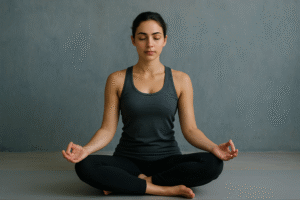
Born from the wisdom of ancient Indian sages, Patanjali Yoga offers profound techniques to help individuals regain control of their minds and bodies. In this article, we delve deeply into how Patanjali Yoga can serve as a powerful antidote to the stresses of contemporary living.
The Foundations of Patanjali Yoga
Patanjali, the sage credited with compiling the Yoga Sutras, laid out a systematic approach to yoga that emphasizes mental discipline, ethical living, and spiritual development. His work, the Yoga Sutras, outlines the eight limbs of yoga (Ashtanga), which serve as a comprehensive guide to achieving mental clarity and emotional balance.
The Eight Limbs of Yoga
- Yama (Moral Restraints): These are ethical guidelines that help us live harmoniously with others.
- Niyama (Personal Observances): These emphasize self-discipline and spiritual observances.
- Asana (Postures): Physical exercises that prepare the body and mind for meditation.
- Pranayama (Breath Control): Techniques for regulating breath which affect the flow of prana (life energy).
- Pratyahara (Withdrawal of Senses): Turning inward to withdraw from external stimuli.
- Dharana (Concentration): Focused attention on a single point or object.
- Dhyana (Meditation): Sustained concentration leading to a meditative state.
- Samadhi (Union): The ultimate state of bliss and union with the divine.
Patanjali Yoga and Its Relevance to Stress and Anxiety
Stress and anxiety often manifest as a disconnection between the body and mind. Patanjali Yoga addresses these issues holistically, promoting harmony within oneself. By practicing the principles outlined by Patanjali, one can cultivate resilience and tranquility.
Stress: Understanding Its Impact
Stress affects us in various ways, from physical symptoms such as headaches and fatigue to emotional challenges like irritability and anxiety. According to the World Health Organization, stress-related disorders are surging globally, indicating a pressing need for effective coping mechanisms.
How Patanjali Yoga Alleviates Stress and Anxiety
Engaging in Patanjali Yoga is not merely about performing physical postures; it’s a holistic approach to life that nourishes the mind, body, and spirit.
1. Yamas and Niyamas: Ethical Guidelines for Inner Peace
By practicing Yama and Niyama, individuals learn to cultivate a compassionate inner dialogue and develop healthier relationships with others. These guidelines encourage self-reflection and promote forgiveness, ultimately reducing anxiety and stress.
2. Asanas: The Physical Practice
Asanas, or yoga postures, assist in releasing physical tension. Certain poses are particularly effective in calming the mind:
- Sukhasana (Easy Pose): Promotes relaxation and focus.
- Balasana (Child’s Pose): A gentle stretch that relieves tension in the back.
- Viparita Karani (Legs-Up-The-Wall Pose): Calms the nervous system and alleviates anxiety.
3. Pranayama: The Power of Breath
Breath control techniques, such as Ujjayi Pranayama (victorious breath) and Nadi Shodhana (alternate nostril breathing), are particularly beneficial for reducing stress. These practices help to balance the autonomic nervous system, fostering a sense of calm.
Real-World Examples of Transformation
Many individuals have experienced profound changes in their lives through the practice of Patanjali Yoga. For example, consider the story of Ravi, a corporate professional in Mumbai. Overwhelmed with work pressures, Ravi turned to yoga as a last resort. Through consistent practice, he discovered not only physical strength but also emotional resilience. His journey highlights how integrating Patanjali Yoga into daily life can lead to significant transformations.
Getting Started with Patanjali Yoga: A Step-by-Step Guide
Embarking on a journey with Patanjali Yoga can seem daunting, but it’s essential to take it one step at a time. Here’s a practical guide to begin your practice:
Step 1: Set Your Intention
Start with a clear intention. What do you hope to achieve? Whether it’s reducing stress or enhancing your focus, setting a goal will help guide your practice.
Step 2: Create a Dedicated Space
Designate a quiet space in your home for your practice. Ensure it’s free from distractions. A calm environment will enhance your experience.
Step 3: Begin with Asanas
Start with simple asanas like Sukhasana or Balasana. Spend at least 10-15 minutes each day. Focus on your breath as you move through each posture.
Step 4: Introduce Pranayama
Once you feel comfortable with asanas, incorporate pranayama techniques. Start with 5 minutes of Ujjayi Pranayama, gradually increasing as you feel more at ease.
Step 5: Meditate
Dedicate time for meditation. Begin with 5 minutes of Dhyana, focusing on your breath or a mantra. Gradually extend this time as you become more accustomed to the practice.
Step 6: Reflect and Journal
At the end of each session, take a few moments to reflect on your feelings. Journaling can help track your progress and deepen your understanding of your emotional state.
Key Benefits of Patanjali Yoga for Stress and Anxiety
- Enhanced Mindfulness: Cultivates present-moment awareness, reducing racing thoughts.
- Improved Resilience: Builds emotional strength, helping you navigate life’s challenges.
- Physical Well-being: Reduces tension and promotes relaxation.
- Holistic Balance: Aligns mind, body, and spirit for overall wellness.
Conclusion: Embracing Patanjali Yoga as a Lifelong Journey
As the world around us evolves, the challenges of modern life often feel overwhelming. However, the teachings of Patanjali remind us that within the chaos, there lies a sanctuary of peace waiting to be discovered. By integrating Patanjali Yoga into your daily routine, you can cultivate an inner resilience that empowers you to face stress and anxiety with grace.
So, are you ready to embark on this transformative journey? With patience and practice, you can unlock the benefits of Patanjali Yoga, nurturing your spirit and soothing your mind. Share your experiences in the comments below, and let’s support one another in our quest for tranquility.