The Festival That Ties Hearts Together
Imagine this — it’s a warm August morning, the aroma of fresh sweets fills the air, sisters are fussing over the perfect rakhi, and brothers are pretending they’re not excited about the gifts. This is Raksha Bandhan, a festival that transcends time, weaving together stories from mythology, ancient history, and modern life.
At its heart, Raksha Bandhan is more than a ritual — it’s a promise. A promise of protection, love, and lifelong connection. But where did it all begin?
The Meaning Behind Raksha Bandhan
The term Raksha Bandhan comes from Sanskrit:
- Raksha – “Protection”
- Bandhan – “Bond” or “Tie”
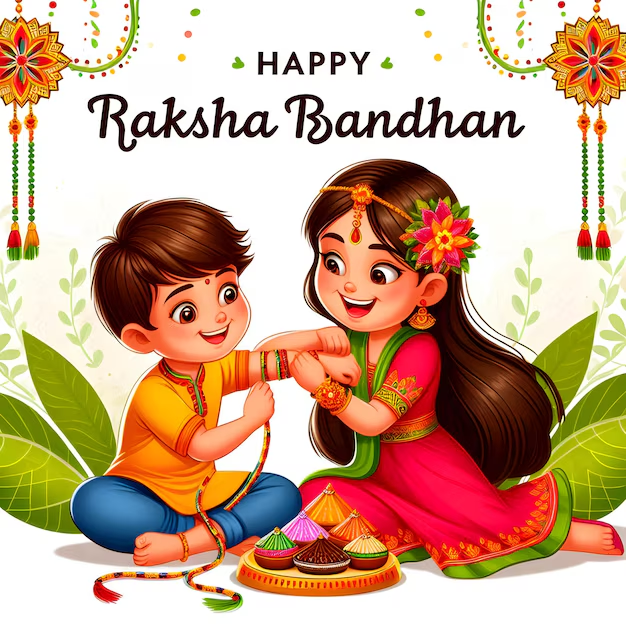
It falls on the full moon day (Shravana Purnima) in the Hindu lunar month of Shravan — in 2025, that’s August 9. On this day, sisters tie a rakhi (a decorative sacred thread) on their brothers’ wrists. In return, brothers promise to protect them and often give gifts — a tradition now evolving to include friends, mentors, and even soldiers.
The Stories Behind the Strings
The charm of Raksha Bandhan is wrapped in countless stories — each adding a new shade to the festival’s meaning.
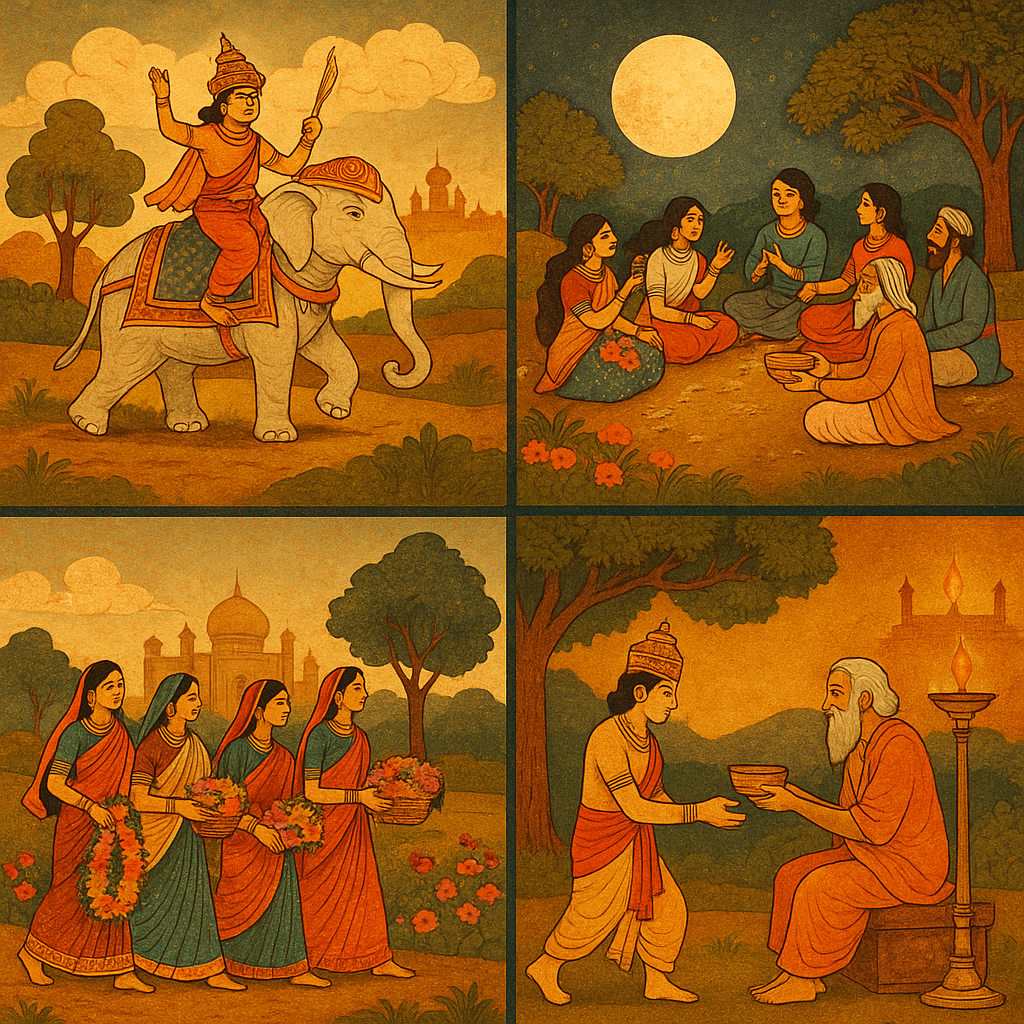
1. Indra and Indrani
When King Bali’s army overpowered Indra, the king of gods, his wife Indrani tied a protective thread on his wrist during Shravan Purnima. This act is said to have restored his courage and led to victory.
2. Draupadi and Krishna
In the Mahabharata, when Krishna injured his finger, Draupadi tore a piece from her saree and tied it to stop the bleeding. Touched, Krishna promised to protect her forever — a vow he honored during her public humiliation in Hastinapur.
3. Yamuna and Yama
The river goddess Yamuna tied a rakhi to her brother Yama, the god of death, blessing him with immortality. In return, Yama declared that any brother who receives a rakhi from his sister will be blessed with long life.
4. Goddess Lakshmi and King Bali
When Vishnu was bound by a promise to stay with King Bali, Goddess Lakshmi tied a rakhi to the king, making him her brother. In gratitude, Bali freed Vishnu from his promise.
5. Historical Tales of Rakhi
The Mughal period tells the story of Rani Karnavati of Chittor, who sent a rakhi to Emperor Humayun, seeking protection against Bahadur Shah. Humayun honored the bond and came to her aid.
How Raksha Bandhan is Celebrated Today
Traditional Rituals
- Sisters prepare a puja thali with a rakhi, roli (red powder), rice grains, sweets, and a diya (lamp).
- A tilak is applied to the brother’s forehead.
- The sister ties the rakhi while chanting prayers for his wellbeing.
- Brothers offer gifts and promise lifelong protection.
Modern Twists
- Long-distance Rakhis: Sisters send rakhis by post or online delivery.
- Eco-Friendly Rakhis: Made of seeds or biodegradable material.
- Beyond Blood Relations: Rakhis are tied to friends, soldiers, and mentors.
- Virtual Celebrations: Video calls and digital gifts keep bonds alive.
The Deeper Significance
Raksha Bandhan is a reminder that protection is mutual — it’s not just about brothers safeguarding sisters, but also sisters offering strength, care, and blessings. In an age of busy schedules and physical distance, it’s an opportunity to pause, connect, and honor relationships.
Actionable Tips for a Memorable Raksha Bandhan
- Personalize Your Rakhi: Handcraft one or choose a design that tells your story.
- Add a Heartfelt Note: Share a memory or promise in writing.
- Plan a Shared Activity: Movie night, a meal together, or revisiting childhood games.
- Tie It Forward: Spread the love by tying rakhis to community helpers.
Conclusion
From mythological legends to modern Zoom calls, Raksha Bandhan has evolved, but its essence remains the same — a celebration of love, duty, and the promise to stand by each other. Whether you’re celebrating in person or across miles, the thread you tie is more than silk and beads — it’s a lifeline of memories and promises.
Here’s to the bonds that protect, inspire, and endure. Happy Raksha Bandhan 2025!