
Introduction: The Enigmatic Sage of Yoga
In the heart of ancient India, amidst the wisdom of the Vedas and the tranquility of nature, there lived a sage whose teachings would forever change the landscape of spirituality and wellness. Rishi Patanjali, often revered as the father of Yoga, dedicated his life to unraveling the mysteries of the mind and spirit. But who was this enigmatic figure, and what profound wisdom did he leave behind? As we journey through the life and teachings of Patanjali, we will explore not only the essence of Yoga but also the transformative power of mind control—a concept that still resonates in today’s fast-paced world.
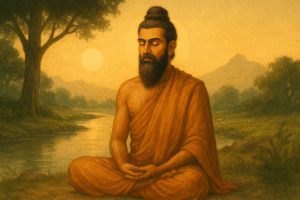
The Life and Legacy of Rishi Patanjali
Little is known about the personal life of Rishi Patanjali, leading many to regard him as a semi-mythical figure rather than a historical individual. Scholars believe he lived during the 2nd century BCE, though some suggest he could have existed even earlier.
Despite the ambiguity surrounding his life, Patanjali’s contributions to Yoga and philosophy are undeniable. He is credited with compiling the Yoga Sutras, a seminal text that systematically outlines the path to enlightenment through Yoga. This text has served as a foundation for various schools of thought and practice, influencing countless practitioners across the globe.
The Yoga Sutras: A Blueprint for Mind Control
The Yoga Sutras consists of 196 aphorisms that explore the nature of the mind, consciousness, and the practice of Yoga. Each sutra is like a seed of knowledge, containing profound insights that have been interpreted and expounded upon by yogis and scholars for centuries.
One of the central themes of the Sutras is the concept of mind control. Patanjali believed that the mind is the source of both suffering and liberation. By mastering the mind, individuals can overcome obstacles, achieve inner peace, and realize their true nature.
The Eight Limbs of Yoga
Patanjali’s framework for Yoga is famously known as the Eight Limbs of Yoga (Ashtanga Yoga). This holistic approach to personal development includes the following:
- Yama: Ethical disciplines—moral codes that govern individual behavior.
- Niyama: Observances—personal practices for self-discipline.
- Asana: Postures—physical movements to prepare the body for meditation.
- Pranayama: Breath control—techniques to regulate breath and energy.
- Pratyahara: Withdrawal of senses—turning inward to foster self-awareness.
- Dharana: Concentration—focusing the mind on a single point.
- Dhyana: Meditation—deep, uninterrupted contemplation.
- Samadhi: Absorption—union with the object of meditation, leading to enlightenment.
The Art of Mind Control: Techniques from Patanjali
Understanding the Eight Limbs of Yoga provides a roadmap for those seeking mastery over their minds. Here, we delve into practical methods derived from Patanjali’s teachings that anyone can incorporate into their daily lives.
1. The Power of Pranayama: Breath as a Tool
Pranayama, or breath control, is one of the most powerful tools for mind regulation. By consciously regulating our breath, we can influence our emotional state and mental clarity. Here’s a simple step-by-step guide to practicing pranayama:
- Find a Quiet Space: Sit comfortably in a quiet space where you won’t be disturbed.
- Posture: Straighten your back and relax your shoulders. You may sit on a chair or cross-legged on the floor.
- Close Your Eyes: Gently close your eyes to minimize distractions.
- Inhale Deeply: Breathe in slowly through your nose for a count of four.
- Hold: Retain your breath for a count of four.
- Exhale: Release your breath slowly through your mouth for a count of six.
- Repeat: Continue this cycle for 5-10 minutes.
Statistics show that regular practice of pranayama can reduce stress levels by up to 40%, making it a vital practice in today’s hectic world.
2. Cultivating Mindfulness Through Meditation
Patanjali emphasized the importance of meditation in achieving mental clarity and spiritual growth. Here’s a beginner-friendly meditation practice inspired by the teachings of Patanjali:
- Select a Comfortable Position: Sit in a cross-legged position or on a chair with your feet flat on the ground.
- Set a Timer: Start with just 5 minutes and gradually increase the duration as you become more comfortable.
- Focus on Breath: Direct your attention to your breath. Notice the sensation of inhaling and exhaling.
- Redirect Thoughts: If your mind wanders, gently bring your focus back to your breath without judgment.
Research shows that just 10 minutes of daily meditation can significantly enhance emotional well-being and reduce anxiety.
3. Embracing the Yamas and Niyamas
The ethical principles of Yama and Niyama guide practitioners toward a harmonious existence. Here are some practical applications of these principles:
- Ahimsa (Non-violence): Practice kindness and compassion towards yourself and others.
- Santosha (Contentment): Cultivate gratitude by writing down three things you are thankful for each day.
- Satya (Truthfulness): Strive for honesty in your thoughts and actions.
- Tapas (Discipline): Set a daily routine that incorporates healthy habits.
Patanjali’s Influence on Modern Yoga
The teachings of Rishi Patanjali have transcended time and geography, shaping modern Yoga practices around the globe. Today, Yoga is often seen as a physical exercise, yet its roots lie deeply embedded in spiritual and philosophical explorations.
Many contemporary Yoga styles, such as Hatha, Vinyasa, and Ashtanga Yoga, draw directly from Patanjali’s Yoga Sutras. Instructors often reference these ancient texts, guiding students not only in physical postures but also in ethical and spiritual development.
Yoga in Daily Life: Bridging the Ancient and the Modern
Incorporating Patanjali’s teachings into daily life can be transformative. Here are some ways to infuse the essence of Yoga into your routine:
- Start Your Day with Intention: Dedicate a few minutes each morning to set an intention for your day, aligning with the Yamas and Niyamas.
- Practice Mindful Eating: Be present and engage all your senses while eating, appreciating the nourishment you receive.
- Engage in Reflective Journaling: At the end of each day, reflect on your thoughts and actions in relation to Patanjali’s principles.
Why Rishi Patanjali’s Teachings Matter Today
In our fast-paced, technology-driven world, the teachings of Rishi Patanjali provide invaluable guidance on achieving mental clarity and emotional stability. As we navigate through personal and societal challenges, his insights into mind control and the practice of Yoga offer pathways to resilience and peace.
By embracing the principles laid out in the Yoga Sutras, we can cultivate a deeper understanding of ourselves and foster harmonious relationships with the world around us.
Key Takeaways
- Rishi Patanjali is often referred to as the father of Yoga, with his teachings forming the backbone of Yoga philosophy.
- The Yoga Sutras offer a comprehensive guide to achieving mastery over the mind through the Eight Limbs of Yoga.
- Pranayama, meditation, and ethical living are essential techniques for cultivating mind control and inner peace.
- Patanjali’s teachings remain relevant today, providing tools for navigating modern challenges and enhancing overall well-being.
Conclusion: The Timeless Wisdom of Rishi Patanjali
As we reflect on the profound legacy of Rishi Patanjali, we are reminded of the power of Yoga—not merely as a form of exercise but as a holistic approach to life. Through his teachings, we are equipped with tools to harness the power of our minds, cultivating peace, clarity, and purpose.
In a world craving balance and understanding, Patanjali’s teachings invite us to embark on a journey of self-discovery and transformation, encouraging us to embrace the age-old wisdom that continues to resonate with seekers of truth across the globe.