
🌟 Festivals
Ahoi Ashtami 2026: Date, Puja Muhurat, Vrat Vidhi and Katha
Last updated: October 10, 2026
Ahoi Ashtami 2026 falls on 1 November, three days after Karwa Chauth. Here is the date, the evening puja window, the story of Ahoi Mata and how the fast is kept.
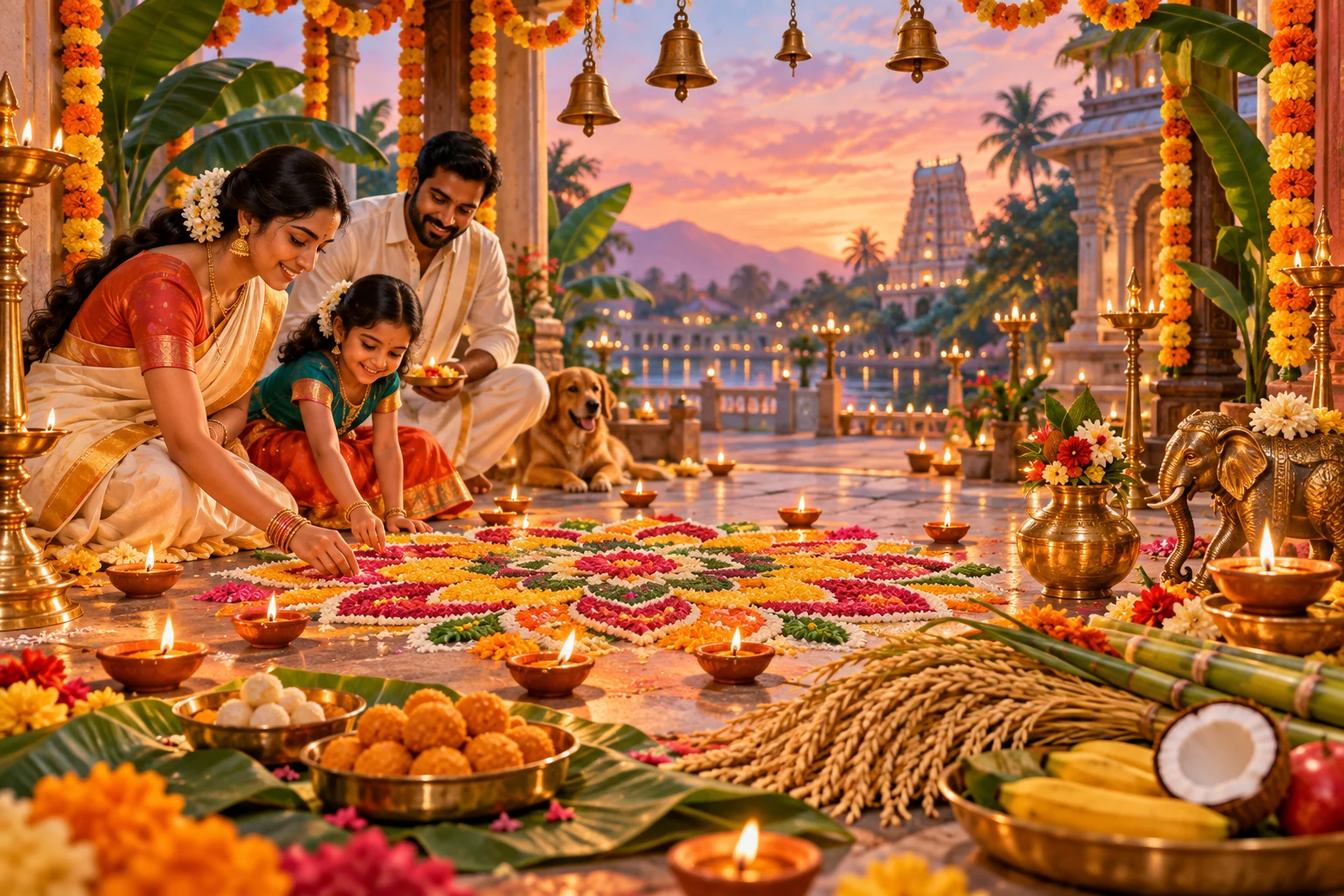
Ahoi Ashtami 2026 falls on Sunday, 1 November. On this Kartik Krishna Ashtami, mothers fast from sunrise and worship Ahoi Mata in the evening for the long life and well-being of their children. The fast is usually broken after sighting the stars. In New Delhi the puja muhurat is roughly 5:36 pm to 6:54 pm.
Ahoi Ashtami 2026 date and puja muhurat
| Detail | 2026 (New Delhi, approximate) |
|---|---|
| Ahoi Ashtami | Sunday, 1 November 2026 |
| Ashtami tithi | About 2:51 pm on 1 November to 1:10 pm on 2 November |
| Puja muhurat | About 5:36 pm to 6:54 pm |
| Star sighting | From about 6:00 pm |
| Moonrise | About 11:40 pm |
These are planning times for New Delhi. Twilight and moonrise vary by city, so confirm locally with a panchang or your family elders.
Ahoi Ashtami sits in the middle of the season: Karwa Chauth comes three days earlier on 29 October, and Diwali follows a week later on 8 November. In North Indian (purnimanta) calendars it is Kartik Krishna Ashtami; in amanta calendars of Gujarat, Maharashtra and the south the same day is called Ashwin Krishna Ashtami.
Who is Ahoi Mata?
Ahoi Mata, also called Ahoi Bhagwati, is a protective form of the Goddess, often identified with Parvati. She is worshipped mainly in Uttar Pradesh, Delhi, Haryana, Punjab, Rajasthan and Madhya Pradesh. Her image is traditionally drawn on a wall or a sheet of paper with geru (red ochre), showing the Goddess with eight corners (ashta kosht) and, beside her, a porcupine (syahu or seh) and its cubs. Printed Ahoi Mata calendars are now widely used.
Ahoi Ashtami vrat katha
The story told in most North Indian homes goes like this:
A woman with seven sons went to the forest to dig soil to plaster her house before Diwali. While digging, her spade accidentally struck and killed the cub of a porcupine that lived in the den. Grieving and afraid, she returned home. Within a year, one by one, her sons died.
Heartbroken, she told her story to the elderly women of the village. They advised her to atone by worshipping Ahoi Bhagwati on Kartik Krishna Ashtami, drawing the porcupine and its cubs beside the Goddess, fasting through the day and asking forgiveness. She kept the vrat sincerely year after year, and, pleased by her repentance, Ahoi Mata restored her sons to her.
Families read or listen to this katha during the evening puja. Its message is one of responsibility, repentance and the protective love of a mother, human and divine.
Ahoi Ashtami puja vidhi at home
- Morning: bathe, take a sankalpa to keep the fast for your children, and spend the day calmly. Many mothers fast without water (nirjala), but a lighter fast is entirely acceptable.
- Before evening: draw or hang the Ahoi Mata image, with the porcupine and cubs, on a clean wall facing north or east.
- Set up the kalash: fill a kalash or karwa (often the same one used on Karwa Chauth) with water and place it near the image. Some families tie a thread with a silver Ahoi pendant and beads (syahu mala), adding a bead each year.
- Evening puja: during the muhurat, offer roli, rice, flowers, a ghee lamp, and naivedya such as puri, halwa or sweet mathri and puas.
- Katha: read the Ahoi Ashtami katha together, often with children sitting nearby.
- Arghya to the stars: once stars appear, offer water to them from the kalash, pray for your children’s well-being and break the fast with prasad.
- After the puja: the kalash water is kept and, in many homes, used on Diwali.
A short Durga or Parvati prayer, such as those in the powerful Durga mantras guide, can be added to the puja. For a general outline of household worship, see how to do a simple puja at home.
Radha Kund snan on Ahoi Ashtami
In Braj, the night of Ahoi Ashtami is also the time of the Radha Kund snan at Govardhan near Mathura. Couples praying for a child bathe in the sacred pond of Radha Kund around midnight, a custom that draws large crowds every year. If you plan to attend, check local arrangements and crowd advisories in advance.
A health-aware fast
Ahoi Ashtami is a vrat of love, not a test of endurance. Pregnant and breastfeeding women, older mothers and anyone with diabetes, low blood pressure or other conditions should drink water and eat fruit or milk, and seek medical advice where needed. The prayer is complete without a strict fast.
For the rest of the season, see the Hindu festival calendar 2026 and the autumn Hindu festivals 2026 guide.
Frequently Asked Questions
When is Ahoi Ashtami in 2026?
Ahoi Ashtami falls on Sunday, 1 November 2026. In New Delhi the puja muhurat is approximately 5:36 pm to 6:54 pm, stars are expected to be visible from about 6:00 pm, and moonrise is late, at about 11:40 pm. Confirm the timings for your city locally.
Why is Ahoi Ashtami celebrated?
Mothers keep the Ahoi Ashtami fast and worship Ahoi Mata, a form of the Goddess, for the long life, health and well-being of their children. Many couples hoping for a child also observe it.
When is the Ahoi Ashtami fast broken?
Most families break the fast after sighting the stars in the evening and offering water (arghya) to them. Some break it after offering arghya to the moon, which rises late on Ahoi Ashtami, so follow the custom of your household.
How many days after Karwa Chauth is Ahoi Ashtami?
Ahoi Ashtami usually comes four lunar days after Karwa Chauth and about eight days before Diwali. In 2026 Karwa Chauth is on 29 October, Ahoi Ashtami on 1 November and Diwali on 8 November.
What is the Ahoi Ashtami vrat katha?
In the common telling, a mother digging soil near a forest before Diwali accidentally kills the cub of a porcupine (syahu). Her sons later die, and on the advice of an elderly woman she worships Ahoi Bhagwati by drawing the porcupine and its cubs and fasting on Ashtami. Moved by her repentance, the Goddess restores her children.
Can Ahoi Ashtami be observed without a strict fast?
Yes. Pregnant women, those on medication and anyone with a health condition can keep a lighter fast with water, fruit or milk. The prayer, the story and the care for children are the heart of the observance.