
🌺 Mantras
Powerful Durga Mantras: 6 Chants with Meaning
A grounded collection of Durga mantras, including the Durga beej mantra, Durga Gayatri, and well-known prayers for courage and devotion.
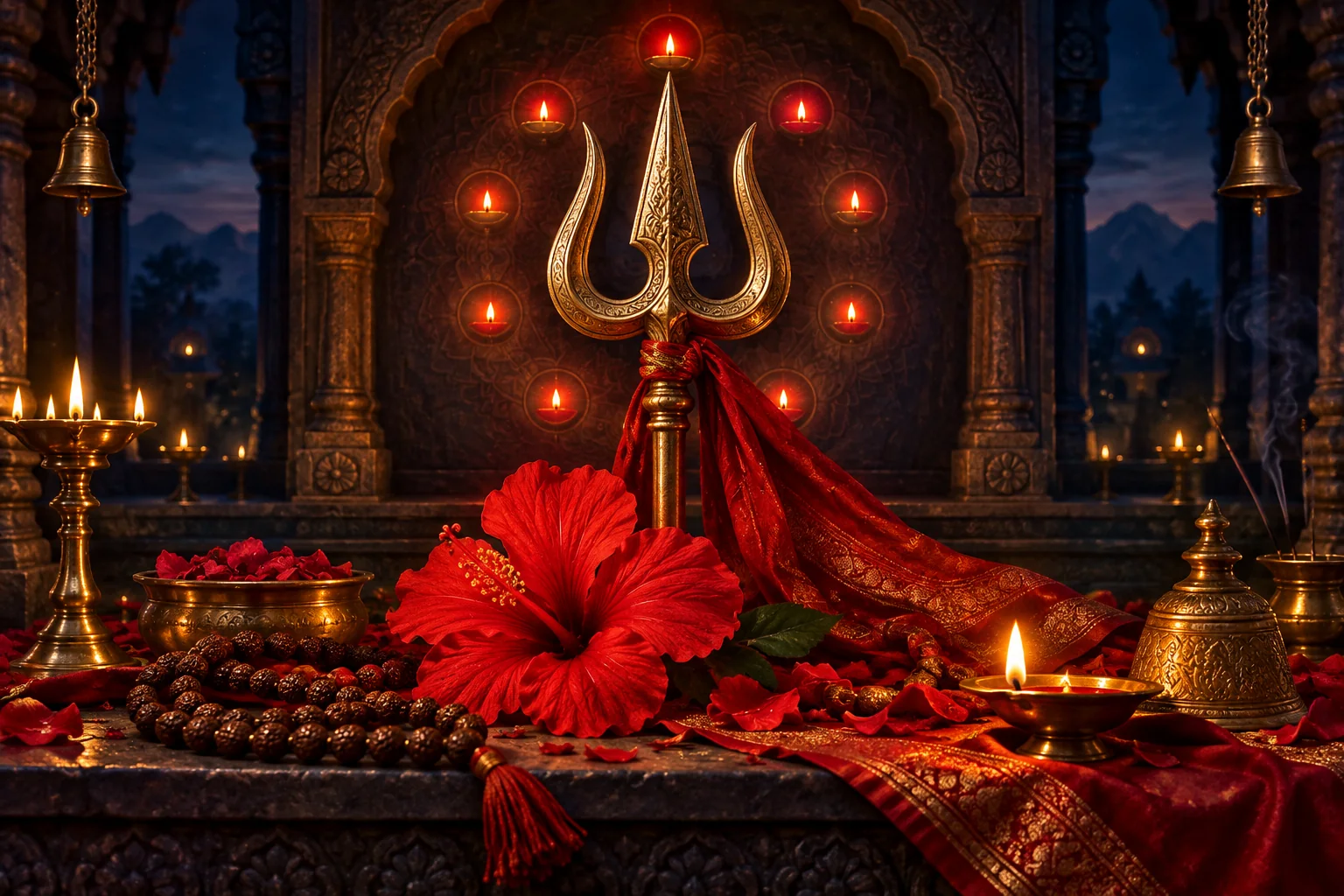
Durga mantras are devotional prayers to Durga, the Divine Mother honoured for courage, compassion, and the protection of dharma. They are especially recited during Navratri, but a short, attentive daily practice is equally traditional. These six commonly heard chants range from a brief salutation to longer verses of praise. Their purpose is devotion and steadiness, not a promise of a particular outcome.
Durga mantras
Om Dum Durgayei Namah
ॐ दुं दुर्गायै नमः
Oṃ Duṃ Durgāyai Namaḥ
“Om, salutations to Durga.” Duṃ is Durga’s beej, or seed syllable. This short mantra is the usual starting point for a Durga japa practice and is traditionally associated with courage and a settled mind.
Durga beej mantra
ॐ दुं दुर्गायै नमः
Oṃ Duṃ Durgāyai Namaḥ
The same complete mantra is often called the Durga beej mantra because Duṃ is its seed sound. Some prayer books print Dum rather than Duṃ; the latter marks the nasal sound in IAST. Use the wording taught in your household or by your teacher.
Durga Gayatri
ॐ कात्यायनाय विद्महे कन्यकुमारि धीमहि ।
तन्नो दुर्गिः प्रचोदयात् ॥
Oṃ Kātyāyanāya Vidmahe Kanyakumāri Dhīmahi,
Tanno Durgiḥ Pracodayāt.
This Gayatri-form prayer contemplates Durga as Katyayani and asks the goddess to inspire the understanding. It is recited slowly as a meditation verse, particularly during Durga Puja and Navratri.
Ya Devi Sarva Bhuteshu
या देवी सर्वभूतेषु शक्तिरूपेण संस्थिता ।
नमस्तस्यै नमस्तस्यै नमस्तस्यै नमो नमः ॥
Yā Devī Sarvabhūteṣu Śaktirūpeṇa Saṃsthitā,
Namastasyai Namastasyai Namastasyai Namo Namaḥ.
“Salutations again and again to the goddess who abides in all beings as power.” This refrain from the Devi Mahatmyam is a broad act of reverence for the Divine Mother, often sung in group worship.
Sarva Mangala Mangalye
सर्वमङ्गलमाङ्गल्ये शिवे सर्वार्थसाधिके ।
शरण्ये त्र्यम्बके गौरि नारायणि नमोऽस्तु ते ॥
Sarvamaṅgala Māṅgalye Śive Sarvārthasādhike,
Śaraṇye Tryambake Gauri Nārāyaṇi Namo’stu Te.
“Salutations to you, source of all auspiciousness, refuge, three-eyed Gauri, Narayani.” It is commonly recited at the close of Durga worship and as a prayer of surrender.
Om Hreem Durgayai Namah
ॐ ह्रीं दुर्गायै नमः
Oṃ Hrīṃ Durgāyai Namaḥ
This is a seed-syllable form of the salutation to Durga. Hrīṃ is used in several Divine Mother traditions. Since beej practices can be lineage-specific, beginners can comfortably remain with Om Dum Durgayei Namah unless a teacher recommends otherwise.
How to chant these mantras
Choose a quiet, clean place and begin with a moment of respect. Morning and evening are both suitable; the nine nights of Navratri are particularly associated with Durga. Start with 11 repetitions of one short mantra, or use a mala for 108 repetitions when that feels sustainable. Read longer verses once or three times, slowly enough to hear the words. Follow any practices given by your family or teacher, and keep a lamp or incense only where it is safe.
Frequently asked questions
Which Durga mantra is best for beginners?
Om Dum Durgayei Namah is short, widely used, and a natural place to begin. Learn its sound and meaning before increasing the count.
Can I chant Durga mantras every day?
Yes. Navratri is especially associated with Durga, but regular daily remembrance is also common. A small consistent practice is enough.
What is the Durga beej mantra?
Duṃ is the seed syllable associated with Durga. The commonly recited full form is Om Dum Durgayei Namah.
Do Durga mantras require a puja?
No. A formal puja is optional. You can chant quietly with attention; simple cleanliness, respect, and steady practice matter more than elaborate arrangements.
Related reading
- Durga Beej Mantra — Sanskrit, meaning, and a word-by-word explanation
- Durga Chalisa and the Durga Chalisa meaning guide
- Navratri puja guide for beginners
- Navratri 2026 dates, colours and puja vidhi — 11 to 20 October 2026
- How to start a daily mantra practice