
🪔 Festivals
Diwali Lakshmi Puja 2026: Step-by-Step Vidhi, Muhurat and Aarti
Last updated: October 10, 2026
Lakshmi Puja on Diwali is the evening worship of Goddess Lakshmi, with Ganesha, on the new-moon night of Kartik. In 2026 it falls on Sunday, 8 November.
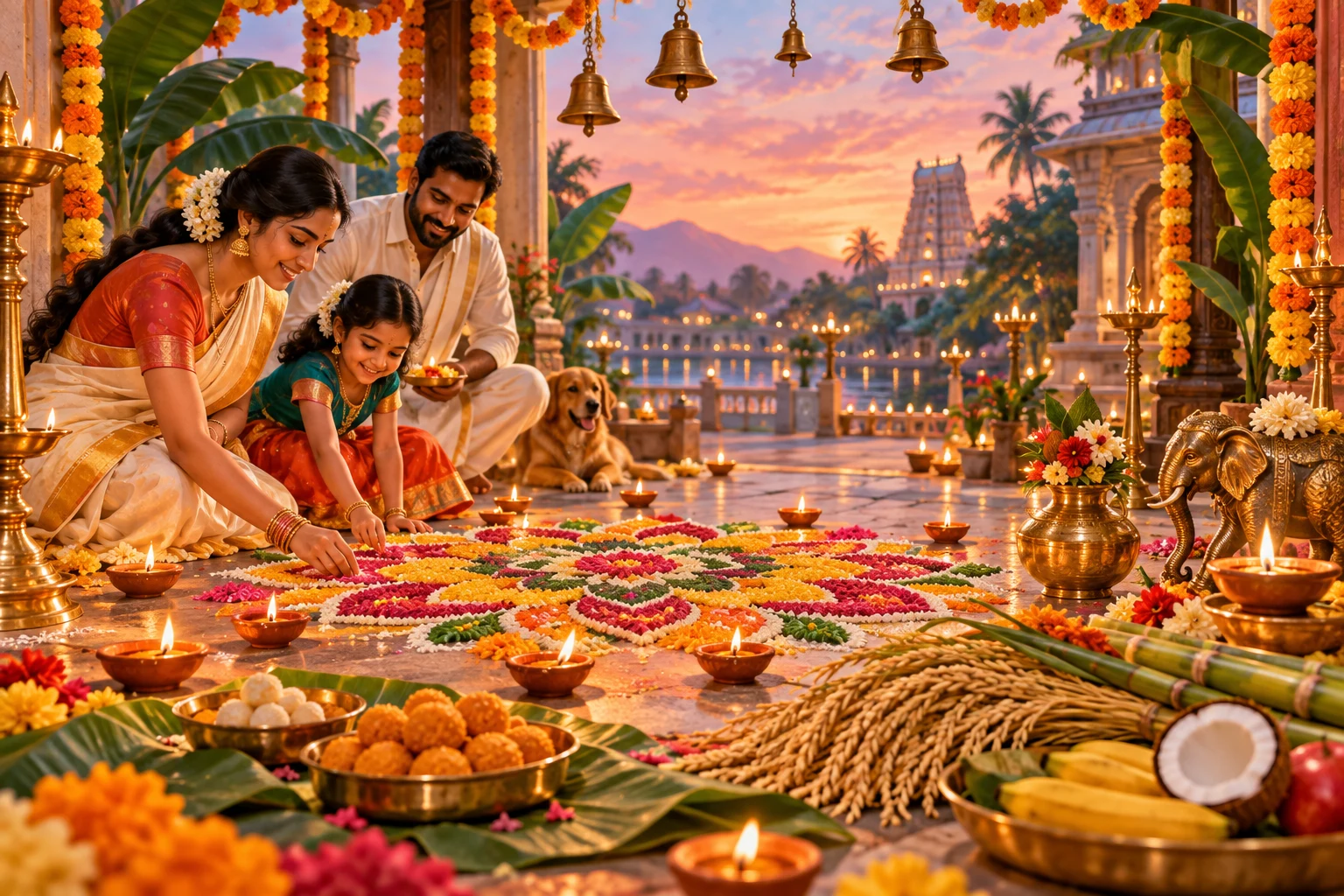
Lakshmi Puja on Diwali is the evening worship of Goddess Lakshmi, the Divine Mother of prosperity, performed on the Amavasya (new-moon) night of Kartik. In 2026, Diwali Lakshmi Puja falls on Sunday, 8 November. Families clean the home, light diyas, worship Ganesha and Lakshmi together, sing the Lakshmi Aarti and share prasad during the evening Pradosh Kaal.
Customs vary by region and family, but the heart of the observance is gratitude, cleanliness, light, generosity, and the responsible use of resources.
Diwali Lakshmi Puja 2026 date and muhurat
| Detail | 2026 |
|---|---|
| Lakshmi Puja date | Sunday, 8 November 2026 |
| Tithi | Kartik Amavasya, covering the evening of 8 November and ending around midday on 9 November |
| Puja period | Evening Pradosh Kaal, after sunset |
| Pradosh Kaal in Delhi (approximate) | About 5:30 pm to 8:00 pm |
The exact Lakshmi Puja muhurat is calculated from local sunset and the fixed-sign (sthir lagna) period, so it differs from city to city and between panchang publishers by several minutes. Use the window above only as a planning guide and confirm the final time with a city-specific panchang or your temple. The full festival sequence is in the Diwali 2026 dates and five-day schedule.
Lakshmi Puja samagri (simple list)
- An image or murti of Lakshmi and Ganesha, placed on a clean cloth on a raised surface
- A kalash or small pot of clean water, with mango or betel leaves if available
- Diyas with ghee or oil, and extra lamps for doorways and windows
- Flowers (lotus or marigold), kumkum, haldi, and unbroken rice (akshat)
- Fruit, sweets, puffed rice (kheel) and batashe as customary offerings
- Coins, account books, pens or tools of one’s livelihood, if your family includes them
- Incense, camphor or a lamp for the aarti
The specific items are less important than cleanliness, attention, and the intention to use prosperity ethically.
Lakshmi Puja vidhi: a simple step-by-step home sequence
- Clean and prepare. Clean the home, especially the entrance and puja space, and make a rangoli at the door if that is your custom.
- Set the altar. Place Ganesha and Lakshmi facing the room, with the kalash, lamps and offerings in front.
- Sankalpa. Sit quietly and state your intention for the puja: gratitude for what sustains the household and a prayer for well-being.
- Worship Ganesha first. Offer flowers and rice and recite a short prayer or the Ganesh Beej Mantra.
- Invite and honour Lakshmi. Offer water, kumkum, flowers, rice, sweets and fruit while remembering her. Chant the Lakshmi Mantra (Om Shreem Mahalakshmyai Namah) 11, 21 or 108 times.
- Honour livelihood. Some families place account books, tools or coins before the altar; some also remember Kubera with the Kuber Mantra.
- Aarti. Sing Om Jai Lakshmi Mata with a lamp, then the Ganesha aarti Jai Ganesh Deva if your family sings it.
- Light the home. Carry lamps from the altar to the doorway, windows and other rooms.
- Prasad and sharing. Share the offered sweets with family and neighbours, and choose one act of generosity, honesty or service.
Some families follow a much longer ritual with a priest or detailed puja vidhi. Others perform a short home prayer. Neither should be used to judge another family’s observance.
If you use oil lamps or candles, keep them on a stable, non-flammable surface and never leave a flame unattended. Celebration should include care for children, older adults, animals, neighbours, and the environment.
What Lakshmi represents on Diwali
Lakshmi is often associated with wealth, but prosperity has many forms: food, health, shelter, knowledge, friendship, beauty, opportunity, and a peaceful home. Diwali invites the question of how abundance is received and shared. The Diwali story and significance explains how Lakshmi Puja sits alongside Rama’s return to Ayodhya and the other stories of the festival.
Prosperity without responsibility can become greed or fear. Lakshmi worship is therefore connected with cleanliness, fairness, hospitality, charity, and care for those who are vulnerable.
Lakshmi Aarti and mantra during Diwali
An aarti offers light through song. Read the Lakshmi Aarti lyrics and meaning guide before singing so the words remain connected to understanding. For more prayers, see powerful Lakshmi mantras and the Lakshmi Chalisa meaning.
Lakshmi Puja within the five days of Diwali
- 6 November — Dhanteras: the season opens with lamps and prayers to Lakshmi and Dhanvantari. See the Dhanteras story and Dhanteras 2026 puja guide.
- 8 November — Diwali Lakshmi Puja: the main night described on this page.
- 10 November — Govardhan Puja / Annakut (9 November in some city calendars such as Mumbai): see the Govardhan Puja story.
- 11 November — Bhai Dooj: see the Bhai Dooj story.
- 15 November — Chhath Puja follows a few days later in Bihar and eastern India: see Chhath Puja story and significance.
For every other festival date this year, use the Hindu festival calendar 2026.
Frequently Asked Questions
When is Lakshmi Puja on Diwali in 2026?
Diwali Lakshmi Puja falls on Sunday, 8 November 2026 in India-based panchang listings. The Amavasya tithi covers the evening of 8 November, so the puja is performed that evening.
What time is Diwali Lakshmi Puja performed?
Lakshmi Puja is performed in the evening during Pradosh Kaal, the period after sunset. In Delhi this runs roughly from 5:30 pm to 8 pm on 8 November 2026. Many families prefer the fixed-sign (sthir lagna) window inside it. Exact timings differ by city, so confirm with a local panchang.
Why are Lakshmi and Ganesha worshipped together on Diwali?
Ganesha is honoured first in most Hindu worship as the remover of obstacles and lord of beginnings. On Diwali, families worship him alongside Lakshmi so that prosperity arrives with wisdom and good judgement.
What should be offered to Lakshmi on Diwali?
Common offerings include flowers (especially lotus or marigold), diyas, kumkum, rice, fruit, sweets, puffed rice (kheel) and batashe, coins, and clean water. Families and regions follow different customs; sincerity matters more than the number of items.
Can Lakshmi Puja be done at home without a priest?
Yes. A short home Lakshmi Puja with a clean altar, a lamp, a Ganesha prayer, a Lakshmi mantra, the aarti and shared prasad is complete and meaningful. Households with a family priest or set vidhi should follow that tradition.
Is Lakshmi Puja only for business owners?
No. Lakshmi represents broad well-being and auspiciousness. Any household can observe Diwali through prayer, gratitude, cleanliness, sharing, and responsible action. Many traders also perform Chopda Pujan, worship of new account books, on the same evening.