
🔱 Festivals
Maha Shivratri Story and Significance: The Night of Shiva
Last updated: September 26, 2026
Maha Shivratri is a night of fasting, vigil, and Shiva worship. Its stories point toward the mystery of consciousness, restraint, and transformation.
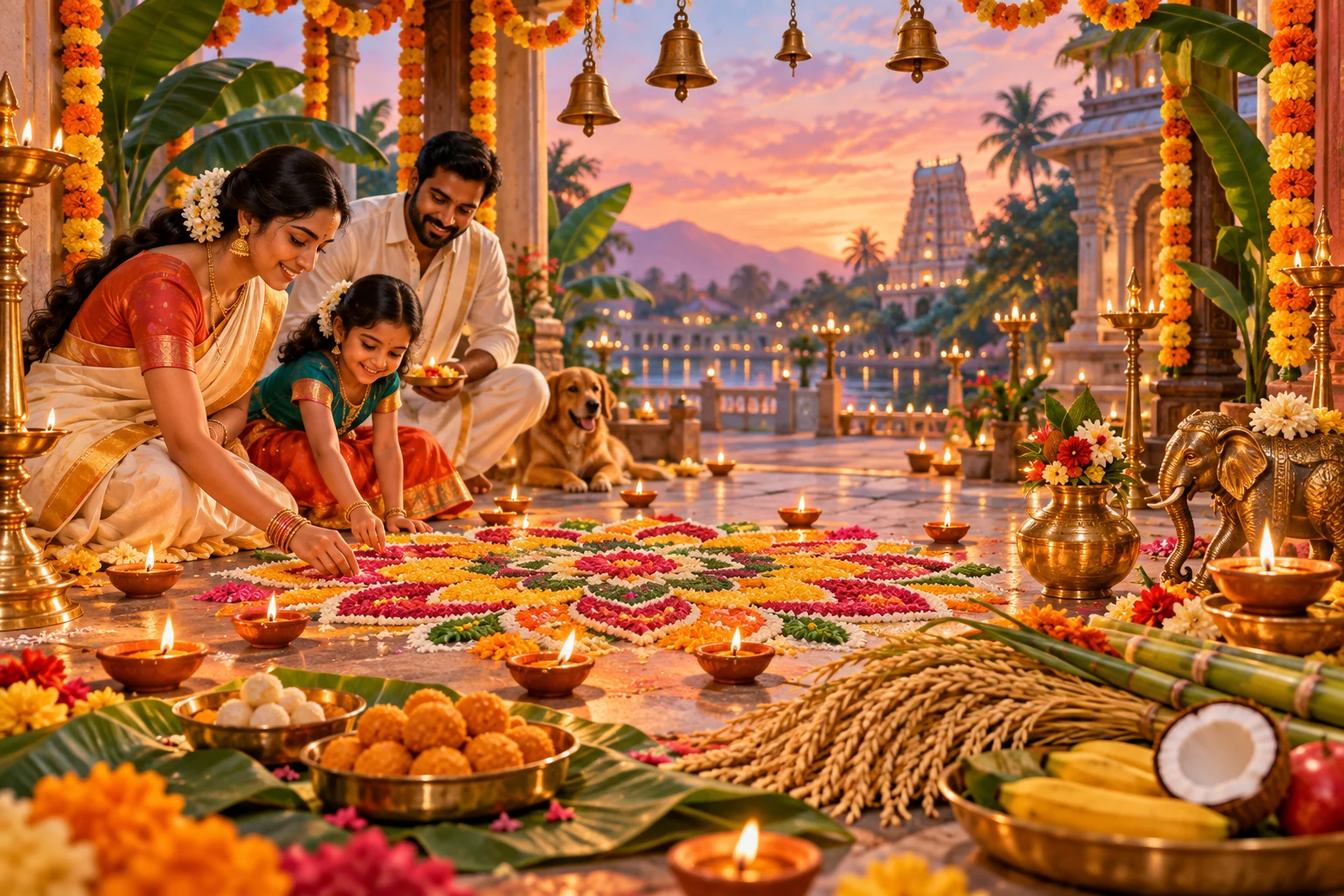
Maha Shivratri means the “great night of Shiva.” Devotees observe it with prayer, temple visits, offerings, fasting, and a night vigil. It falls on Krishna Paksha Chaturdashi in the lunar month identified as Phalguna or Magha in different regional calendars. Dates and ritual windows therefore need a location-specific panchang.
Stories behind Maha Shivratri
Several Puranic traditions explain the night. One describes Shiva’s cosmic dance, the Tandava, as a movement of creation, preservation, and dissolution. Another tells of Shiva appearing as an endless pillar of light whose beginning and end Brahma and Vishnu cannot find. The story emphasises that ultimate reality cannot be reduced to an object or a limited viewpoint.
Some traditions associate Shivratri with the divine marriage of Shiva and Parvati, joining contemplative stillness with Shakti, creative power. Another account recalls Shiva holding the halahala poison that emerged during the churning of the ocean, giving him the epithet Nilakantha, “blue-throated.” It can be read as an image of containing danger without spreading it—not as advice to endure abuse without seeking help.
These are complementary devotional lenses rather than one historical report. A respectful telling can name its tradition without insisting that every Hindu community explains the night alike.
Why devotees stay awake
The night vigil, or jagaran, represents sustained awareness. Mantra, stories, music, and meditation replace ordinary distraction, and the four watches of the night become opportunities to renew attention. A full-night vigil is optional. A beginner may choose one quiet evening period and sit in silence after chanting.
Drowsy driving, exhaustion, or unsafe travel defeats the spirit of mindful observance. Rest when health, work, or caregiving requires it.
Fasting and worship
Some devotees avoid grains, some take fruit or milk, and others keep a complete fast. Fasting is voluntary and never a test of worth. Children, older adults, pregnant or breastfeeding people, and anyone managing diabetes, medication, an eating disorder, or illness may need to avoid or modify it. Seek professional advice when health is in question.
A simple vegetarian meal, restraint from a harmful habit, charity, or dedicated prayer are valid forms of observance. Devotion does not require unsafe deprivation.
A simple home puja
Clean a small space and place a Shiva image or lingam respectfully. Set the diya on a heat-safe base. Offer clean water slowly, followed by flowers or bilva leaves if available in your tradition. Chant Om Namah Shivaya or the Mahamrityunjaya Mantra without rushing, read a Shiva story, and end with Om Jai Shiv Omkara if familiar.
Avoid pouring large quantities of milk that will be discarded; thoughtful use of food matters more than display. Follow temple instructions when worshipping in a shared space.
The inner meaning
Shiva is often shown covered in ash, seated in meditation, and carrying the Ganga in his hair. These images suggest impermanence, disciplined attention, and the ability to hold power without being consumed by it. Transformation becomes practical when the night affects conduct the next day. Choose one pattern to release—harsh speech, avoidance, excess, or resentment—and one discipline to strengthen.
For preparation, use the Maha Shivratri puja guide and review the Hindu festival calendar for the date in your region.
Frequently asked questions
Why is Maha Shivratri celebrated at night?
The vigil symbolises sustained awareness and is associated with traditions including the endless pillar of light, Shiva’s cosmic dance, and the marriage of Shiva and Parvati.
Must everyone fast on Maha Shivratri?
No. Practices vary and health comes first. Prayer, mantra, scripture reading, charity, or a simple meal can support a sincere observance without a strict fast.
What can I offer Shiva at home?
Clean water, flowers, or bilva leaves are common. Use what is available, avoid waste, and follow household or temple tradition rather than treating a long shopping list as compulsory.
Do I need to stay awake all night?
No. A full vigil is respected but not universally required. Choose a safe period of focused worship and rest if health, work, caregiving, or travel requires it.