
🔱 Festivals
Maha Shivratri 2027: Date, Nishita Kaal and Puja Timings
Maha Shivratri falls on Saturday, 6 March 2027. New Delhi Nishita Kaal, the four night prahars, parana on 7 March, and how the vrat is kept.
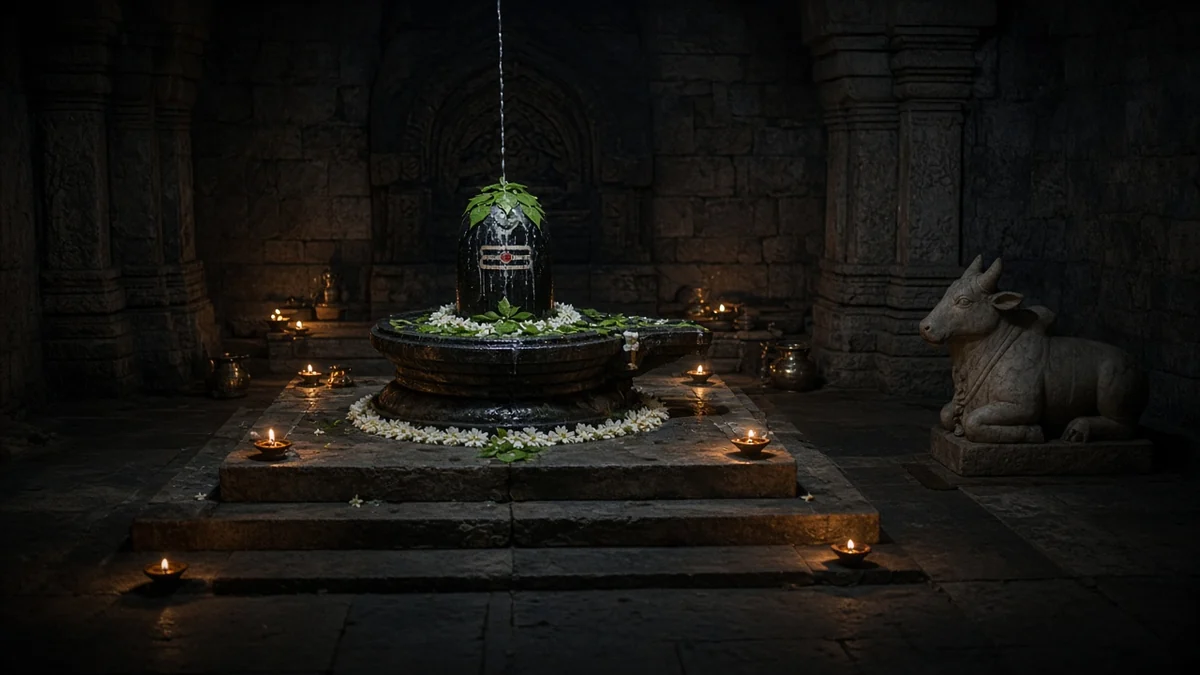
Maha Shivratri 2027 falls on Saturday, 6 March. In New Delhi the most important puja window, Nishita Kaal, is from about 12:07 am to 12:57 am on 7 March — midnight of the night that begins on the 6th — lasting about 49 minutes. The fast is broken on Sunday, 7 March, between about 6:40 am and 1:46 pm.
The stories behind the night, and a simple home puja, are already on this site: Maha Shivratri story and significance and the Maha Shivratri puja guide. This page is the 2027 date, Nishita and prahar guide.
Maha Shivratri 2027 date and muhurat
| Detail | 2027 (New Delhi, approximate) |
|---|---|
| Maha Shivratri | Saturday, 6 March 2027 |
| Chaturdashi tithi | About 12:03 pm on 6 March to 1:46 pm on 7 March |
| Nishita Kaal puja | 12:07 am to 12:57 am on 7 March (about 49 minutes) |
| First prahar | 6:24 pm to 9:28 pm on 6 March |
| Second prahar | 9:28 pm on 6 March to 12:32 am on 7 March |
| Third prahar | 12:32 am to 3:36 am on 7 March |
| Fourth prahar | 3:36 am to 6:40 am on 7 March |
| Parana | Sunday, 7 March, about 6:40 am to 1:46 pm |
| Lunar month | Phalguna Krishna Chaturdashi (Purnimanta); Magha Krishna Chaturdashi (Amanta) |
Chaturdashi is present at Nishita on the night of 6 March, which is why the fast and the night worship fall on Saturday, not on Sunday. North and South Indian calendars use different month names for the same lunar day; they keep Maha Shivratri on the same civil date.
These New Delhi times follow Drik Panchang’s Maha Shivaratri 2027 page. A second published panchang (Panchang Darshan, Delhi) lists the same civil date, the same Chaturdashi span (12:03 pm on 6 March to 1:46 pm on 7 March), and a Nishita window of 12:07–12:56 am on 7 March — one minute shorter at the close. We follow Drik’s 12:07–12:57 am here. Confirm the midnight window for your city; it moves with local sunrise and sunset.
How the vrat is kept
The rite is a day-and-night observance for Shiva, not a single morning puja.
- The day before. Many people take only one meal on Trayodashi, so the stomach is light when the fast begins.
- Sankalpa on the morning of 6 March, after a bath if health allows, to keep the vrat and to break it the next day.
- A simple fast. Some take only water; others take fruit and milk. Anyone who is ill, pregnant, nursing, elderly or on medication should eat enough to stay well. The puja guide discusses fasting care.
- An evening bath and night puja. Worship can be done once, or in each of the four prahars. Nishita is the most widely marked window, because tradition holds that Shiva appeared as the lingam at that hour. Offerings are usually water or milk, bilva leaves, flowers and a lamp. Use a small quantity, and do not pour waste into a public waterway.
- The vigil. A full night is respected, not required. A few hours of careful worship, or one sitting at Nishita, is a complete observance if that is what health and duty allow.
- Parana on 7 March, after sunrise and before Chaturdashi ends, following a short prayer.
Mantras and further Shiva practice are on Om Namah Shivaya and powerful Shiva mantras. Two short hymns often recited that night are the Lingashtakam and the Shiva Panchakshara Stotram. The stories of the night are on the significance page.
Vasant Panchami is on 11 February, and Ratha Saptami on 13 February. Holika Dahan follows on 21 March and Holi on 22 March. The season is in the 2027 festival calendar.
Sources
- Date, tithi, Nishita, prahars and New Delhi parana: Drik Panchang, 2027 Maha Shivaratri.
- Cross-check: Panchang Darshan’s Maha Shivratri 2027 page (Delhi), which lists the same date and Chaturdashi span, and a Nishita window of 12:07–12:56 am on 7 March.
Confirm local sunrise, Nishita and parana with a panchang for your city. Times on this page are for New Delhi and are given in IST (Asia/Calcutta).
Frequently Asked Questions
When is Maha Shivratri in 2027?
Maha Shivratri is on Saturday, 6 March 2027. It is the Krishna Chaturdashi of Phalguna in the Purnimanta calendar, and of Magha in the Amanta calendar used in South and West India. The civil date is the same in both. In New Delhi, Chaturdashi runs from about 12:03 pm on 6 March to 1:46 pm on 7 March, and it is present at Nishita (Hindu midnight) on the night of the 6th.
What is the Nishita Kaal puja time on Maha Shivratri 2027?
In New Delhi, Nishita Kaal puja is from about 12:07 am to 12:57 am on 7 March 2027 — the midnight of the night that begins on 6 March — lasting about 49 minutes. A second published panchang lists the same start and an end one minute earlier, at 12:56 am. Confirm the window for your city.
What are the four prahar puja times in 2027?
For New Delhi: first prahar about 6:24 pm to 9:28 pm on 6 March; second 9:28 pm to 12:32 am on 7 March; third 12:32 am to 3:36 am; fourth 3:36 am to 6:40 am. Many people worship once, in the evening or at Nishita; four pujas are for those who keep the full night.
When is Maha Shivratri parana in 2027?
The fast is broken on Sunday, 7 March 2027, between about 6:40 am and 1:46 pm in New Delhi — after sunrise and before Chaturdashi ends. Confirm local sunrise and the tithi close in your city.
How should I keep the vrat if I cannot stay awake all night?
A full night vigil is respected, not required. Bathe, take sankalpa in the morning, keep a simple fast if health allows, and do one careful puja in the evening or at Nishita. Rest if work, health or care duties require it. A simple home puja is described on this site's Maha Shivratri puja guide.
Where can I read the story and a home puja?
The stories, the night vigil and the inner meaning are on the Maha Shivratri story and significance page. A step-by-step home puja, fasting care and a note on waste are on the Maha Shivratri puja guide. This page is the 2027 date and muhurat guide.