
🌑 Festivals
Mauni Amavasya 2027: Date, Magha Snan and the Vow of Silence
Mauni Amavasya, the new moon of Magha, is on Saturday, 6 February 2027. Date, tithi, the vow of silence, the Magha bath, and how the day is kept.
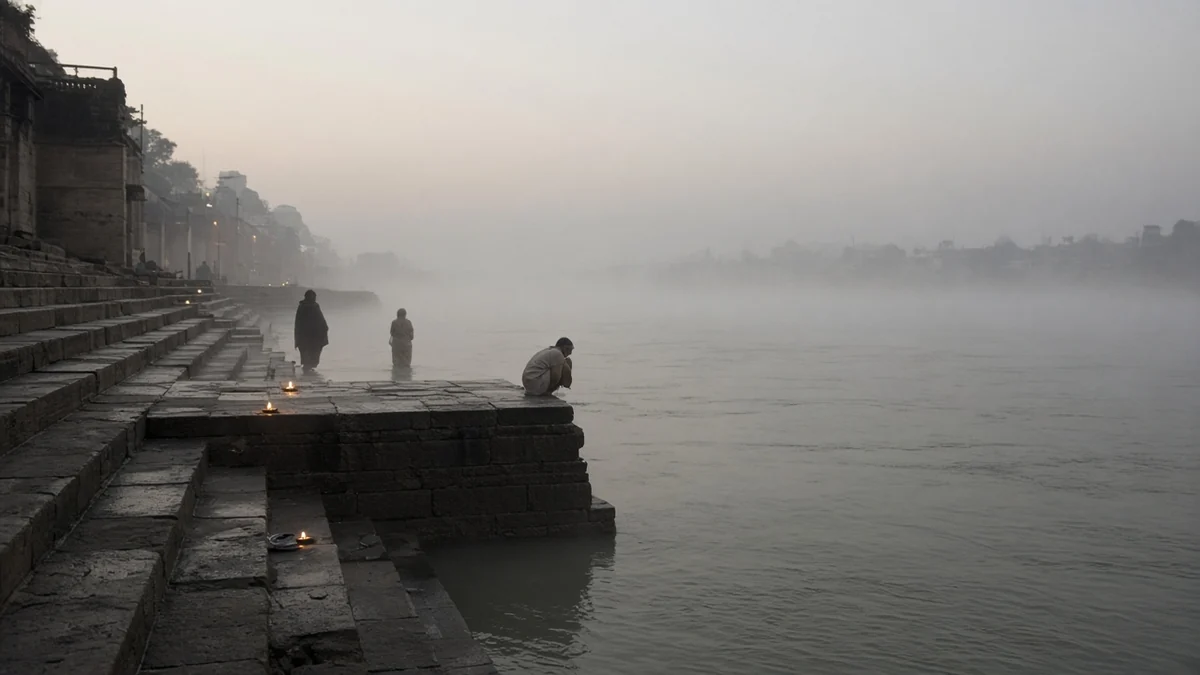
Mauni Amavasya 2027 falls on Saturday, 6 February. In New Delhi the Amavasya tithi runs from about 7:05 pm on 5 February to 9:25 pm on 6 February. It is the new moon of Magha, also called Maghi Amavasya, and because the civil day is a Saturday it is also a Shani Amavasya. The day is kept with a holy bath and, traditionally, a vow of silence — mauna, from which the name Mauni or Mauni Amavas comes.
Mauni Amavasya 2027 date and tithi
| Detail | 2027 (New Delhi, approximate) |
|---|---|
| Mauni Amavasya | Saturday, 6 February 2027 |
| Amavasya tithi | About 7:05 pm on 5 February to 9:25 pm on 6 February |
| Lunar month | Magha Amavasya (Purnimanta); the Amavasya that closes Pausha in the Amanta calendar; Thai Amavasai in Tamil Nadu |
| Also called | Maghi Amavasya, Mauni Amavas, Shani Amavasya (in 2027) |
The tithi moments are the same across India in IST. The observance day is the civil date on which Amavasya is present at sunrise, which published panchangs list as 6 February. Confirm the local sunrise if you are far from Delhi.
These New Delhi times follow Drik Panchang’s Mauni Amavasya 2027 page. A second published panchang (Sanatanbodh) lists the same civil date and a tithi from 7:06 pm on 5 February to 9:27 pm on 6 February — one or two minutes later. We follow Drik here.
Drik also lists a solar eclipse on 6 February 2027. Visibility and any traditional sutak depend on your location. Check a local panchang; this page does not assign a sutak window.
What the day means
Mauni Amavasya is the new moon that falls in the middle of Magha in the North Indian Purnimanta calendar. It is one of the principal days of the Magha snana season, which traditionally runs from Pausha Purnima (in 2027, 22 January) to Magha Purnima. Families who can travel take a dip in the Ganga or at a sangam; many more bathe at a local river or simply at home.
Prayagraj holds an annual Magh Mela through this season, and Mauni Amavasya is among its most important bathing dates. That is not the same as a Kumbh. The last Kumbh at Prayag was in 2025; 2027 is not a Kumbh year.
The mauna is a vow of silence: some people keep it from dawn to dusk, others for a few hours of the morning. The point is attention, not a display. A person who must speak for work or care can still keep a quieter day — fewer unnecessary words, a period of sitting still, a lamp lit without conversation.
Tarpan for ancestors and a simple gift of food or grain are common, as on other Amavasyas. See the Amavasya 2027 list for every new-moon date in the year.
How the day is kept
- A dawn bath, if health and weather allow. Anyone who should not enter cold water can wash at home and offer a short prayer.
- Silence, for as much of the day as is honest. The vow is easier if the phone is set aside for the same hours.
- A simple shrine or a riverbank prayer. There is no single required mantra. A name of Vishnu or a quiet sitting is enough.
- Tarpan and charity, according to family custom and means. A small gift of food is in keeping with the day.
- A light fast or a single vegetarian meal, if health allows. The day is not a test of endurance.
Weddings and other new beginnings are usually avoided on Amavasya, as on other new-moon days.
Around this date
Shattila Ekadashi is on Tuesday, 2 February, four days earlier. Vasant Panchami follows on 11 February, Ratha Saptami on 13 February, and Magha Purnima on 20 February, which often closes the Magh snana season. The month is in the 2027 festival calendar.
Sources
- Date and New Delhi tithi: Drik Panchang, 2027 Mauni Amavasya.
- Cross-check of the civil date (Saturday, 6 February 2027) and of the tithi span: Sanatanbodh’s February 2027 Amavasya page, which lists 7:06 pm on 5 February to 9:27 pm on 6 February.
Confirm local sunrise with a panchang for your city. Times on this page are for New Delhi and are given in IST (Asia/Calcutta).
Frequently Asked Questions
When is Mauni Amavasya in 2027?
Mauni Amavasya is on Saturday, 6 February 2027. It is Magha Amavasya in the Purnimanta calendar used in most of North India. In New Delhi the Amavasya tithi runs from about 7:05 pm on 5 February to 9:25 pm on 6 February. Because the day is a Saturday, it is also a Shani Amavasya. In Tamil Nadu the same new moon is often called Thai Amavasai.
What is Mauni Amavasya?
It is the new-moon day of Magha, kept with a holy bath and, traditionally, a vow of silence (mauna). Many people also offer tarpan for their ancestors and give a simple charity. The name Mauni or Mauni Amavas comes from that silence. The day is one of the principal bathing dates of the Magha snana season at the Ganga and at Prayag.
Is 2027 a Kumbh year for Mauni Amavasya?
No. The last Kumbh at Prayag was in 2025. Mauni Amavasya remains an important bathing day at the annual Magh Mela in Prayagraj, and at other riverbanks, but 2027 is not a Kumbh year. Do not treat a travel plan as if it were a Kumbh.
How is Mauni Amavasya observed?
A dawn bath, if health and climate allow, a period of silence, a simple fast or a single light meal, tarpan if that is your family custom, and a gift of food or grain are the usual observances. Silence can be a few hours if a full day is not possible. Anyone who should not bathe in cold water can wash at home and sit quietly instead.
Is there a solar eclipse on Mauni Amavasya 2027?
Drik Panchang lists a solar eclipse on 6 February 2027, the same civil date. Whether the eclipse is visible at your location, and whether any sutak (the traditional period of restriction) applies, depends on where you are. Confirm with a local panchang; this page does not give a visibility map or a sutak window.
What comes just before and after Mauni Amavasya in 2027?
Shattila Ekadashi falls on Tuesday, 2 February, four days earlier. Vasant Panchami is on Thursday, 11 February, and Ratha Saptami on Saturday, 13 February. See the 2027 festival calendar and the Amavasya 2027 list for the season.