
🪴 Hindu Festivals
Tulsi Vivah 2026: Date, Story, Significance and Puja Vidhi
Last updated: October 10, 2026
Tulsi Vivah 2026 falls on 21 November, the day after Dev Uthani Ekadashi. Here is the date, the story of Vrinda, what the wedding means and how to perform it at home.
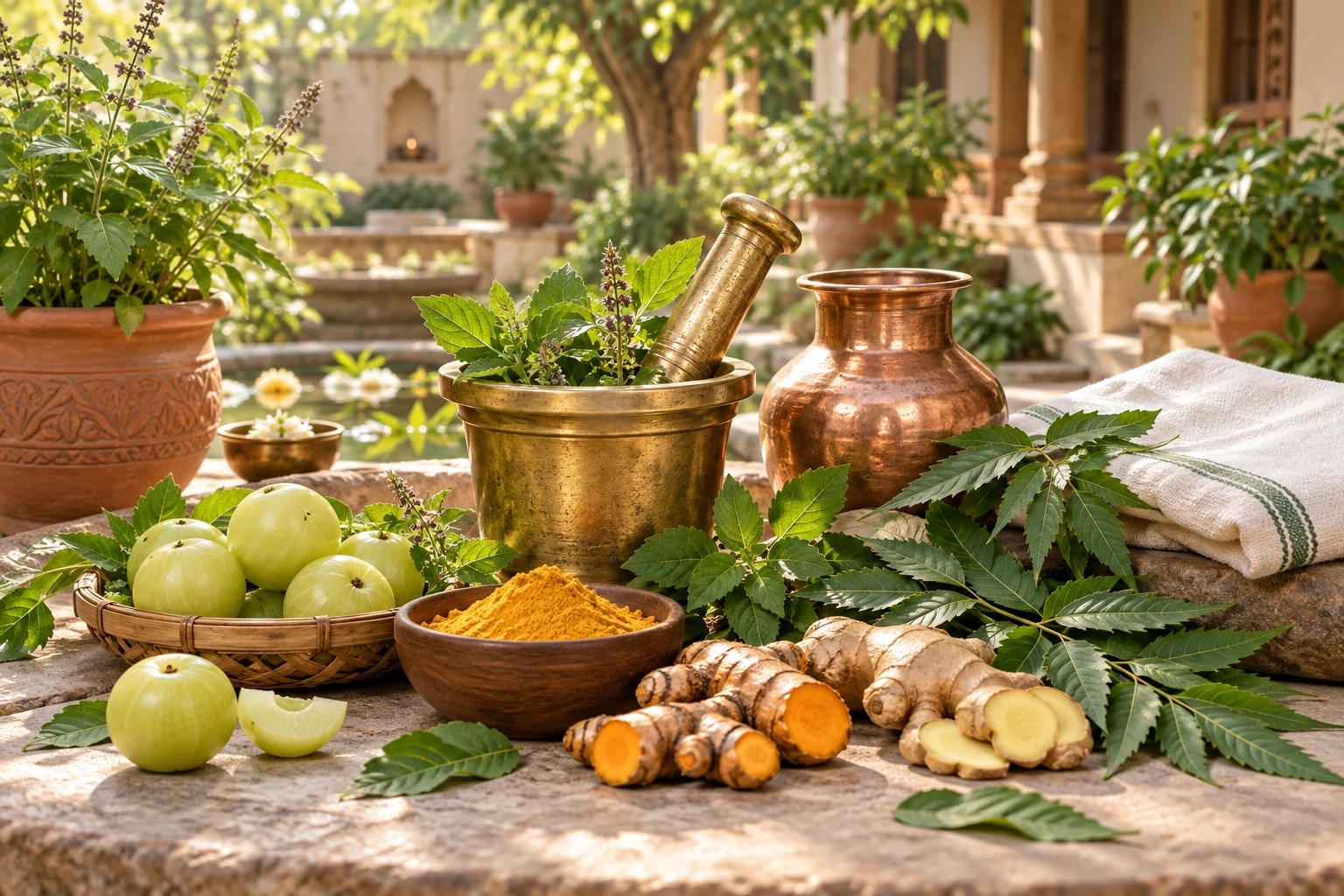
Tulsi Vivah 2026 falls on Saturday, 21 November, the day after Dev Uthani Ekadashi. It is the ceremonial wedding of the tulsi (holy basil) plant to Lord Vishnu, usually in the form of a Shaligram stone. Performed at dusk on Kartik Shukla Dwadashi, it closes Chaturmas and is traditionally seen as opening the Hindu wedding season.
Tulsi Vivah 2026 date and timings
| Detail | 2026 (New Delhi, approximate) |
|---|---|
| Tulsi Vivah | Saturday, 21 November 2026 |
| Dwadashi tithi | About 6:31 am on 21 November to 4:56 am on 22 November |
| Preferred time | Evening twilight (godhuli vela) |
| Dev Uthani Ekadashi | Friday, 20 November 2026 |
| Kartik Purnima | Tuesday, 24 November 2026 |
Customs differ: some households hold the wedding on the Ekadashi evening, many on Dwadashi, and some at any point up to Kartik Purnima. Use the date followed by your family or temple, and confirm local timings.
The story of Vrinda and the Shaligram
Tulsi Vivah rests on the story of Vrinda, told in Puranic literature and in many regional versions.
Vrinda was the wife of the powerful asura Jalandhara. Her devotion to her husband was so complete that it made him invincible, and he used that protection to oppress the gods. To end his tyranny, Vishnu appeared before Vrinda in Jalandhara’s form. Her vow was broken, and Jalandhara fell in battle against Shiva.
When Vrinda realised what had happened, she cursed Vishnu to become stone, and he became the Shaligram, the black ammonite stone found in the Gandaki river and worshipped as Vishnu. Vrinda gave up her life, and from the place where she died the tulsi plant arose. Honouring her devotion, Vishnu declared that she would be dear to him above all, that no worship of him would be complete without tulsi leaves, and that he would wed her every year.
Other tellings, such as the story of Tulasi and Shankhachuda in the Devi Bhagavata tradition, differ in their details, but they share the same core: tulsi is a devoted woman raised to divinity, and her union with Vishnu is honoured through this wedding.
The significance of Tulsi Vivah
- The end of Chaturmas: Vishnu wakes from his four-month rest on Dev Uthani Ekadashi, and his wedding to tulsi is the first great celebration after it.
- The wedding season begins: because weddings are usually avoided during Chaturmas, this divine wedding is seen as opening the season for human marriages.
- Kanyadaan merit: couples without a daughter sometimes perform Tulsi Vivah as the “parents” of tulsi, giving her away in marriage.
- Devotion in the home: tulsi is worshipped daily in many Hindu homes, and Tulsi Vivah is its most joyful festival. For the plant’s place in Ayurveda, see Tulsi (Holy Basil) and the benefits of tulsi.
Tulsi Vivah puja vidhi at home
- Prepare the bride: clean and decorate the tulsi pot (tulsi chaura or vrindavan) with rangoli, and dress the plant in a red chunri with bangles, bindi and other shringar.
- Build the mandap: tie four sugarcane stalks over the pot to form a small wedding canopy, and decorate it with marigold garlands.
- Place the groom: set a Shaligram, or an image of Vishnu or Krishna, beside the tulsi on a small seat.
- Begin with Ganesha: light a ghee lamp and incense, worship Ganesha, and take a sankalpa.
- Worship both: offer water, turmeric, kumkum, rice, flowers and sandalwood to tulsi and to the Shaligram.
- The wedding: tie a sacred thread around tulsi and the Shaligram together, and carry the Shaligram around the tulsi seven times for the pheras, as family members sing wedding songs. Some families recite mangal shlokas or invite a priest.
- Offerings: offer seasonal produce such as sugarcane, amla, singhara, sweet potato and ber, along with sweets.
- Aarti: close with Om Jai Jagdish Hare or a Vishnu chant from the Vishnu mantra page, and share the prasad.
Simple, sincere worship is enough. A tulsi plant, a lamp, a few flowers and a heartfelt prayer make a complete Tulsi Vivah.
Tulsi Vivah in the Kartik season
Tulsi Vivah falls in the last days of Kartik, the month most associated with Vishnu. It follows Dev Uthani Ekadashi on 20 November and leads to Kartik Purnima and Dev Deepawali on 24 November. For the full season, see the Hindu festival calendar 2026.
Frequently Asked Questions
When is Tulsi Vivah in 2026?
Tulsi Vivah falls on Saturday, 21 November 2026 (Kartik Shukla Dwadashi) in India-based panchangs. In New Delhi, Dwadashi tithi runs from about 6:31 am on 21 November to 4:56 am on 22 November, and the wedding is usually performed at dusk. Confirm locally.
Is Tulsi Vivah on Ekadashi or Dwadashi?
Both customs exist. Many families perform it on Dwadashi, the day after Dev Uthani Ekadashi; others perform it on the evening of Ekadashi itself (20 November 2026). In some regions it can be held on any day from Ekadashi to Kartik Purnima.
Who is tulsi married to?
Tulsi is married to Vishnu, usually represented by a Shaligram stone, or to Krishna or an image of Vishnu in households without a Shaligram.
What is the story behind Tulsi Vivah?
In the best-known telling, Vrinda was the devoted wife of the asura Jalandhara, whose power was protected by her virtue. To end his tyranny, Vishnu came to her in Jalandhara's form. Discovering this, she cursed Vishnu to become stone, the Shaligram, and gave up her life; Vishnu blessed her to be worshipped as the tulsi plant and to be wedded to him every year.
Why does the wedding season start after Tulsi Vivah?
Tulsi Vivah follows Dev Uthani Ekadashi, which ends Chaturmas, the four-month period of Vishnu's rest when weddings are traditionally avoided. Performing the divine wedding first is seen as opening the season of human marriages.
What is needed for Tulsi Vivah puja?
A tulsi plant in a decorated pot, a Shaligram or image of Vishnu, a small mandap of sugarcane, a red chunri and bangles or shringar for tulsi, turmeric, kumkum, rice, flowers, a lamp, a sacred thread, and seasonal fruit such as sugarcane, amla, singhara and sweet potato.